|
|
Is black tea always fully fermented? Does the darker the color of the soup, the stronger the taste?
The classification of the six major types of tea is based on the degree of enzymatic oxidation of tea polyphenols in fresh leaves, which is commonly referred to as "fermentation".
Here we need to distinguish clearly: the fermentation of tea is not the same as the microbial fermentation of yogurt and brewing. The core is the oxidation reaction dominated by the polyphenol oxidase of tea itself.
Textbooks classify black tea as fully fermented tea, but the term 'whole' here does not mean that it has reached 100% oxidation. The oxidation range of conventional black tea in the industry mostly falls between 70% and 90%.
The so-called "complete" refers to the relative lack of fermentation in green tea and semi fermentation in oolong tea: black tea will allow oxidation to fully advance before drying and terminating the reaction.
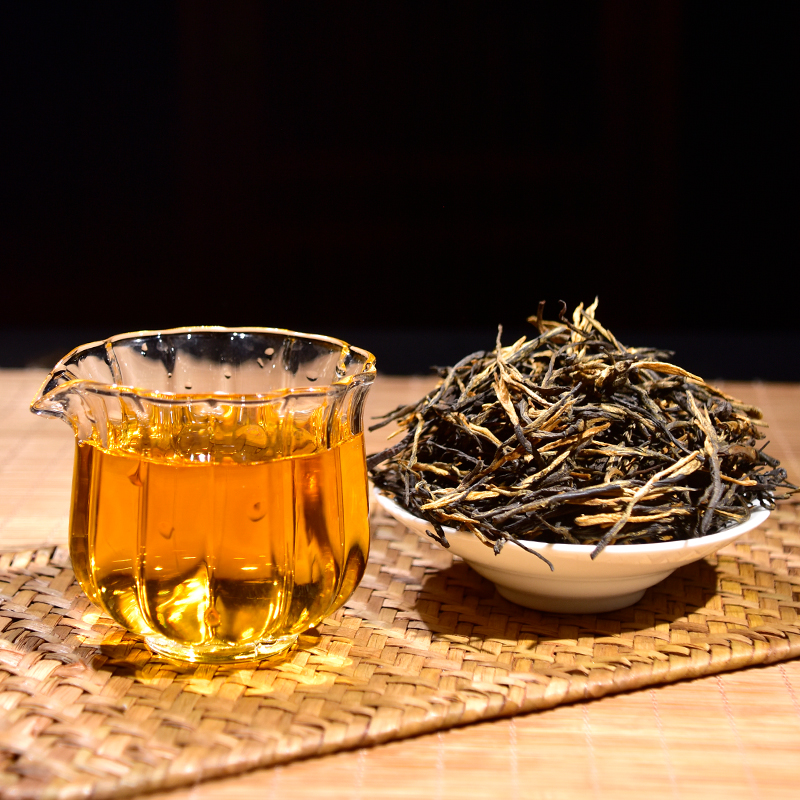
There is no black tea where all tea polyphenols are completely oxidized; If oxidation reaches its extreme, the excessive consumption of substances in tea leaves will only lead to dullness and sourness, and lose its drinking value.
Within this range, tea makers still have considerable room for adjustment. For black tea, fermentation can be light, moderate, or heavy:
Mild fermentation: retains more theaflavins, fresh and bright floral fragrance, transparent orange yellow soup color, prominent freshness and refreshing sensation;
Moderate fermentation: The proportion of theaflavins and thearubigins is balanced, the sweet and fruity aromas are smooth, the soup is mellow, and it is also the mainstream style of most Gongfu black teas on the market;
Fermentation is heavy: the proportion of thearubigins is higher, the soup color is darker, the honey sweet and caramel aroma is prominent, the bitterness is weakened, but the freshness will decrease.
|
|

 English
 简体中文

 Post time