|
|
Many tea reviews mention "profound throat resonance," but beginners only taste the sweetness and bitterness in their mouths, unaware of where the throat resonance lies, even suspecting it's a mystical concept fabricated by tea merchants. In reality, throat resonance is easy to find—master the method, compare a few more times, and you'll begin to perceive it.
The lingering sensation in the throat after swallowing the tea is known as the "throat resonance." It is not the aftertaste in the mouth, which lingers on the tip of the tongue and palate; rather, the throat resonance resides deep within the throat and pharynx, gradually emerging as a cool, sweet, smooth, or astringent sensation after the tea has been swallowed.
First step for beginners: Slow down, sip the tea in small amounts. Avoid gulping it down directly. Swirl the tea in your mouth gently, savor the taste, then swallow slowly. After swallowing, don’t inhale immediately—keep your mouth closed for three seconds, focusing on the sensation in your throat.
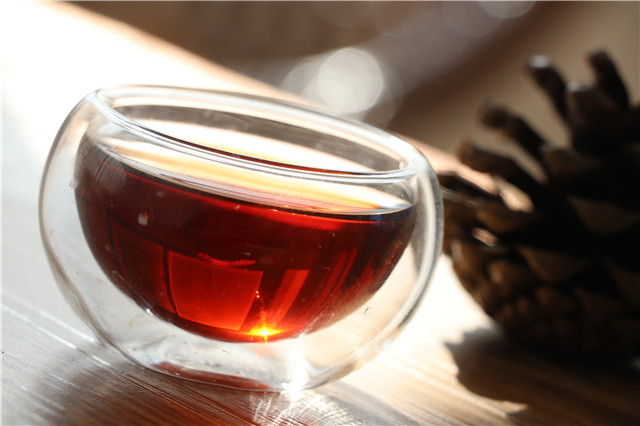
Several common throat sensations: First, throat sweetness, where a sweet, continuous sensation arises in the throat after swallowing; second, throat coolness, also known as "cool throat," commonly found in high-quality raw Pu'er tea, with a refreshing sensation rising from the throat, providing great comfort; third, throat smoothness, where the throat remains neither dry nor parched, maintaining lasting hydration, often seen in ripe tea. Additionally, negative throat sensations include throat blockage, throat irritation, and throat constriction, causing dryness and tightness that lingers, which are defects in craftsmanship or tea quality.
A simple comparison exercise: Prepare two types of tea—one being a common daily brew, the other a high-quality ancient tree tea. The ordinary tea leaves a fleeting taste in the mouth, quickly fading to nothing after swallowing, leaving no lingering sensation in the throat. The premium tea, on the other hand, mutes its flavor in the mouth while leaving a lasting aftertaste in the throat.
Avoiding pitfalls: A strong throat resonance is not always better. Stinging or dryness in the throat is not a desirable resonance but a flaw. Good throat resonance is comfortable, natural, warm, or cool, and never harsh. There are no shortcuts to appreciation—compare more, shift your focus from the tongue down to the throat, and gradually you will grasp the pleasure of throat resonance.
|
|

 English
 简体中文

 Post time