|
|
Many people buy black tea, only to frown after the first sip—bitter, with tightness on both sides of the tongue and a dry throat. It smells fragrant, yet the taste falls short. In fact, whether a cup of black tea is sweet or bitter depends most on two factors: fermentation and brewing.
Let's start with fermentation. Black tea is fully fermented tea. After plucking the fresh leaves and rolling them, they are left to allow the enzymes in the leaves to oxidize some of the tea polyphenols. When fermentation is properly done, the tea polyphenols are converted more thoroughly, resulting in lower bitterness and a sweet, smooth taste. If fermentation is insufficient, more tea polyphenols remain, leading to a more astringent brew. For the same batch of fresh leaves, varying the degree of fermentation—lighter or heavier—produces entirely different tea infusions.
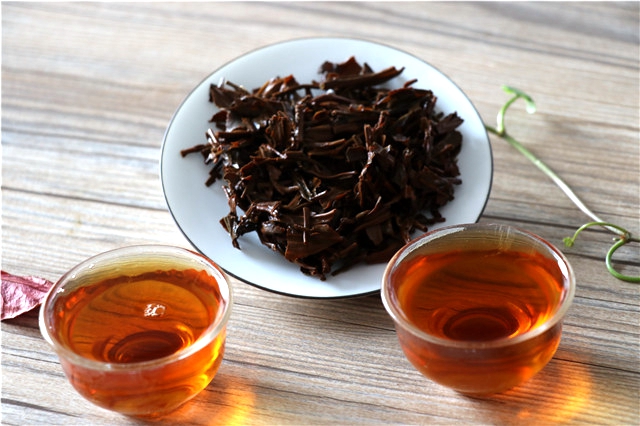
Fermentation is also related to the raw materials. For teas with more buds, the temperature and humidity during fermentation need to be controlled more precisely. For teas with coarser and older leaves, the fermentation space can be slightly larger. Some black teas taste sweet, but this isn't entirely due to superior craftsmanship—it's because the inherent substances in the raw materials are there. The sweetness and smoothness don't come out of nowhere; they result from the interaction of sugar compounds and amino acids in the tea leaves.
Now, let's talk about brewing. The same type of black tea can yield two different levels of quality when brewed by different people. Higher water temperature and slower infusion result in a stronger astringency. Black tea isn't as delicate as green tea, but it still shouldn't be steeped directly with just-boiled water. Pouring boiling water immediately extracts all the tea polyphenols and caffeine at once, leaving the sweetness to catch up while the astringency takes the lead. When the water temperature drops to around 90 degrees, a slightly faster infusion produces a much more pronounced sweet and mellow taste.
Ultimately, whether a cup of black tea is sweet and mellow or dry and astringent depends not on luck. Fermentation determines the foundation of the tea leaves, while brewing dictates how much of that potential can be unlocked. A tea with a strong foundation will still shine even with improper brewing, while an average tea can taste much better with the right technique. Next time you encounter an astringent black tea, don’t rush to blame the leaves. First, check if the fermentation was adequate, then consider whether your water temperature was too high or your steeping time too slow.
|
|

 English
 简体中文

 Post time