|
|
"The older, the more fragrant" actually has three prerequisites, which is the greatest charm and also the biggest pitfall of Pu'er tea.
First, the raw materials must have a solid foundation.
Tea with thin content will never thicken, only grow weaker, no matter how long it sits.
Second, the craftsmanship must be flawless.
If the steps of fixation, rolling, and sun-drying are not done properly, the subsequent transformation will lose its direction.
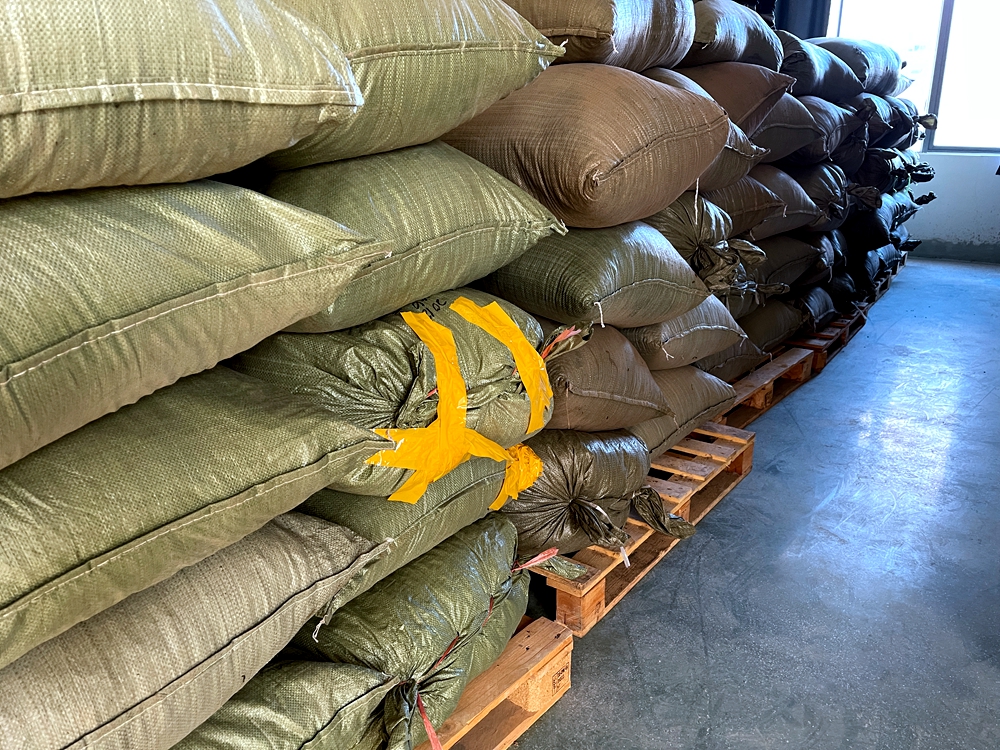
Third, and the most prone to failure—warehousing.
Dry storage: Moderate temperature and humidity, well-ventilated, odor-free, allowing tea leaves to gradually mature through their own internal forces, resulting in more stable internal qualities without the risk of uncontrollable microbial growth.
Wet Storage: Ripening in a high-temperature, high-humidity environment with poor ventilation (such as cellars or bomb shelters) accelerates transformation, but results in loose, dull tea leaves, turbid tea soup, and often carries musty or alkaline odors, even damaging tea fibers. Remember: "The older, the better" does not mean "The more moldy, the better." Moldy tea is essentially spoiled.
There is another common misconception that must be clarified: no matter how long raw tea is stored, it will only become aged raw tea, never matured tea. The aging process can alter its character but cannot change its original production method.
|
|

 English
 简体中文

 Post time