|
|
Many tea enthusiasts fall into a misconception when selecting Pu-erh tea: they believe that the older the tea, the better its quality and the more valuable it becomes. However, this statement is not entirely accurate.
For Pu'er tea to become more fragrant with age, a crucial prerequisite is high-quality raw materials and proper, clean storage.
If the raw materials are of poor quality or stored in a damp or foul-smelling environment, even after two or three decades, they will not improve in taste but only deteriorate further, potentially even developing mold or spoiling.
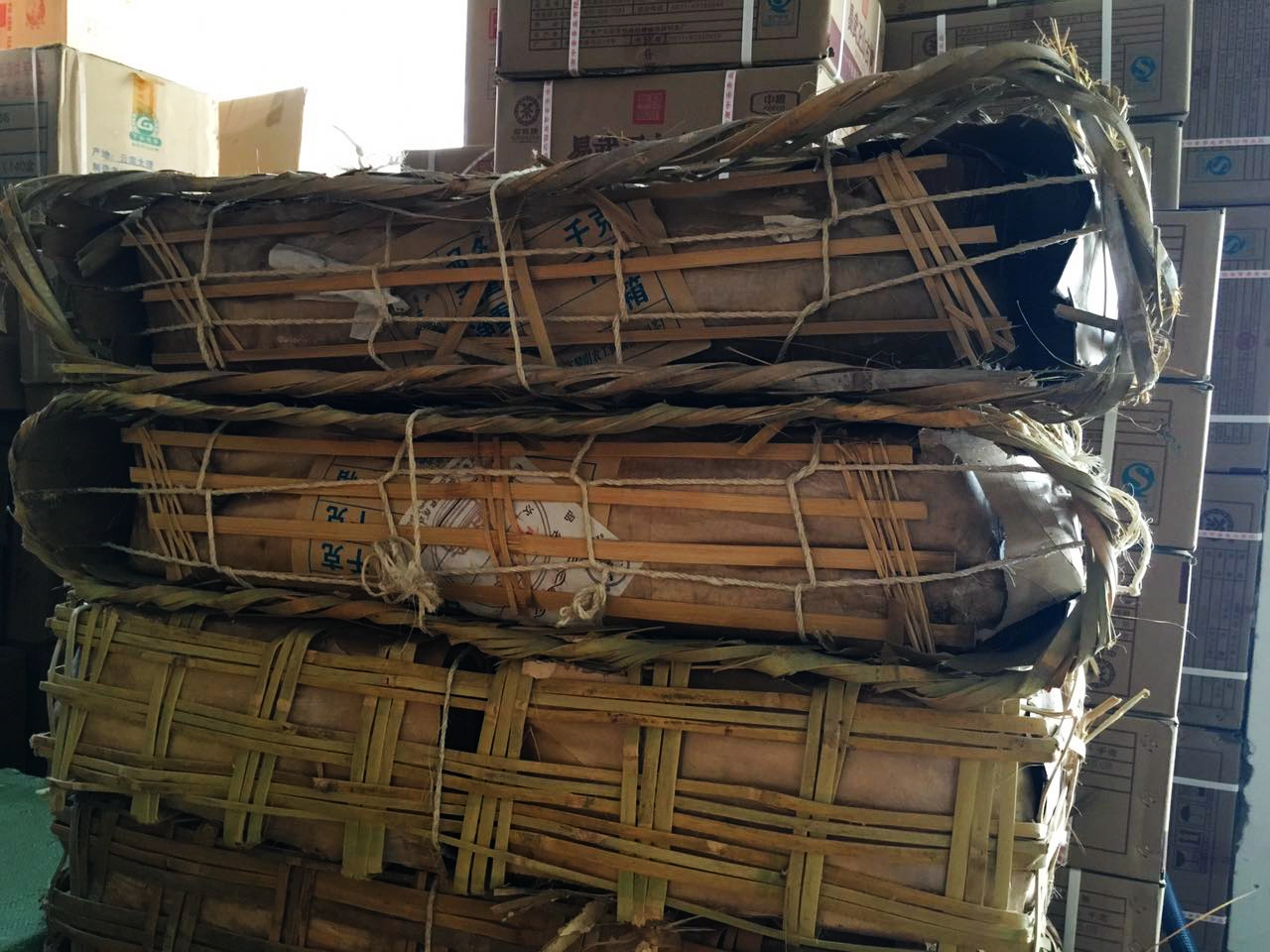
With high-quality ingredients and proper storage in a clean, dry warehouse, the tea gradually transforms over time, losing its bitterness and developing a mellow, smooth broth with a steady aroma—this is the charm of aged tea.
Conversely, tea with ordinary raw materials and poor storage, even if labeled with an old vintage, is merely a pretense of age—its flavor is bland and carries off-flavors, making it devoid of drinking value.
There are also many artificially aged teas on the market, which appear aged but are actually short-term wet-warehouse fermented. They look old but have compromised quality, making them unsuitable for drinking. Therefore, Pu'er tea improves with age only if it starts with good raw materials—not all teas become better with time,
Good Pu'er tea becomes more aromatic the older it is, based on high-quality tea leaves and proper storage. Without the right raw materials and storage conditions, even the longest aging period is meaningless.
|
|

 English
 简体中文
简体中文

 Post time