|
|
The phrase "the older, the better" is the most renowned hallmark of Pu'er tea and the reason countless people collect it. Having a well-aged, properly stored cake of Pu'er tea in one's home brings pride. However, "able to be stored for long periods" and "continuing to improve indefinitely" are two different things.
There is a fascinating term in Japanese food standards called "shelf life": under specified storage conditions, food maintains its best flavor within the standard period; beyond this time, the product remains safe but loses some of its taste.
Pu'er tea does not have a best-before date printed on its packaging, but it does have a practical "optimal drinking period"—the transformation of its internal substances follows a parabolic curve. Once the quality peaks, further storage will only lead to a gradual decline.
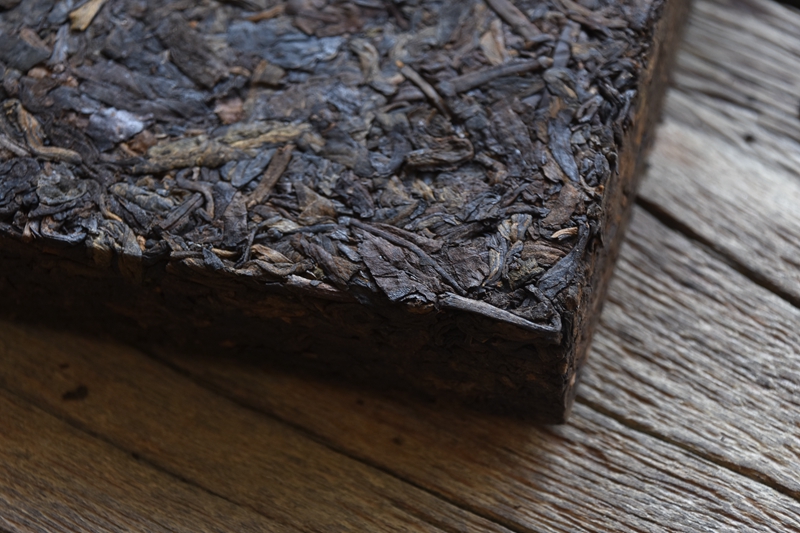
The internal substances of tea leaves are finite. The storage process essentially involves simultaneous transformation, volatilization, and depletion. While the aging period can be extended indefinitely, the substances themselves cannot materialize out of thin air. Expecting a tea cake to improve endlessly with time is akin to hoping a bottle of wine will never settle and develop its flavors—it is unrealistic.
So, what exactly is the "optimal drinking period"? To be honest, there's no standard answer. Factors like regional climate, storage conditions, the tea's condition itself, and personal taste can all push the answer several years in either direction.
For a tea cake to mature from its youthful stage to its peak, it requires years of quiet waiting. When it finally reaches perfection, you hesitate to open it, thinking it might be even more valuable if left longer; yet, if left too long, its quality declines—it remains drinkable but no longer represents its finest state. How many fine teas miss their golden period in this way.
Those who truly understand tea store it for the purpose of drinking, not the opposite. Consuming it during its optimal drinking period fulfills the tea cake's life cycle with complete virtue.
|
|

 English
 简体中文
简体中文

 Post time