|
|
The aroma of black tea ultimately stems from three levels: varietal aroma, regional aroma, and processing aroma.
Varietal Aroma: The Fragrance Etched in Genes
Different tea plant varieties exhibit variations in the content and composition ratios of aromatic precursors in their fresh leaves, as well as the activity of glycosidase enzymes. This is akin to how wines made from different grape varieties possess distinct flavors—the tea plant variety determines the "innate disposition" of its aroma.
Regional Fragrance: The Terroir of Mountains and Waters
Terroir aroma, colloquially known as the "mountain field scent," refers to the unique fragrance imparted to tea leaves by the growth environment of tea trees. Factors such as latitude, longitude, altitude, terrain, soil, climate, and biodiversity collectively shape the distinctive aromas of the same tea variety grown in different regions.
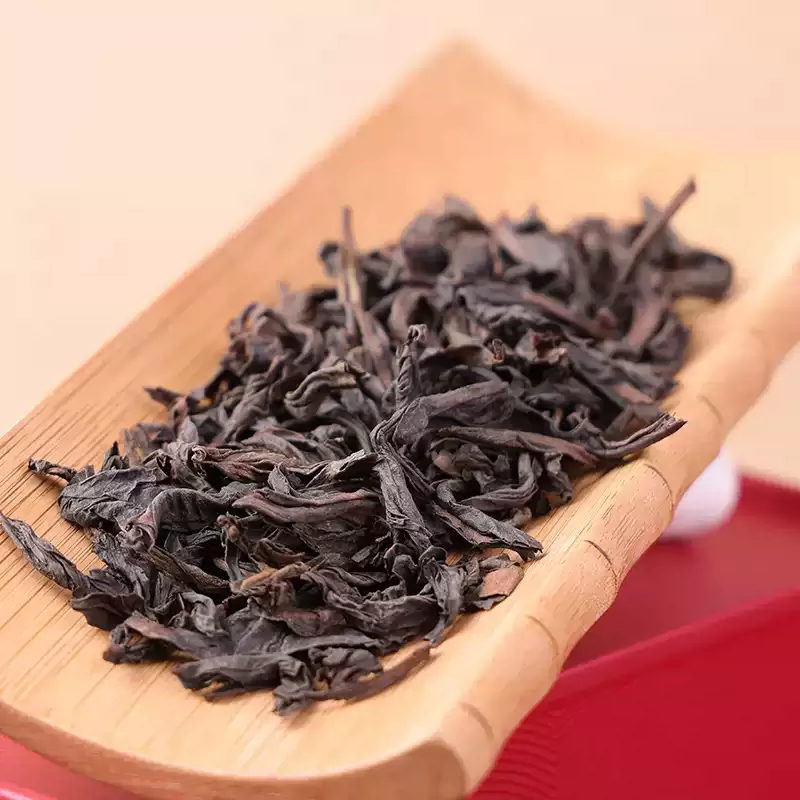
Artisanal Aroma: The fragrance "brewed" during the processing
Process aroma refers to the fragrance formed during tea processing due to variations in technical parameters. This is a controllable aspect and the key to elevating tea aroma from "approximately 80 types" to "over 400 types"—while fresh leaves contain about 80 aromatic compounds, these can increase to over 400 types after processing into black tea.
Withering, rolling, fermentation, and drying—each step's temperature, humidity, and duration shape the final aroma profile. For instance, the same raw material may develop a ripe fruity sweetness with heavy fermentation, while light fermentation leans toward a fresh floral fragrance.
|
|

 English
 简体中文
简体中文

 Post time