|
|
Have you ever carefully prepared a pot of premium black tea, brewed it with great anticipation, only to find it left a lingering bitterness on your palate? The tea wasn't the fault of the leaves—rather, the brewing method unknowingly "murdered" the true essence of the brew.
Method One: Pour boiling water directly to scald the tender buds
This may be the most common misconception in brewing black tea—using boiling water (nearly 100°C) directly to steep the leaves. The scalding hot water instantly scorches the delicate buds and leaves of the tea, over-extracting tannic acid and resulting in an overly bitter brew. It also destroys aromatic compounds, turning the tea's rich, layered fragrance into a monotonous one.
Proper Method: Adjust the water temperature according to the type of black tea. For large-leaf black teas (e.g., Dian Hong), a water temperature of 90-85°C is suitable; for medium and small-leaf black teas (e.g., Keemun Black Tea, Lapsang Souchong), 85-80°C is ideal. Simple Judgment Method: After the water boils, remove the lid from the kettle and let it sit for 2-3 minutes before brewing.
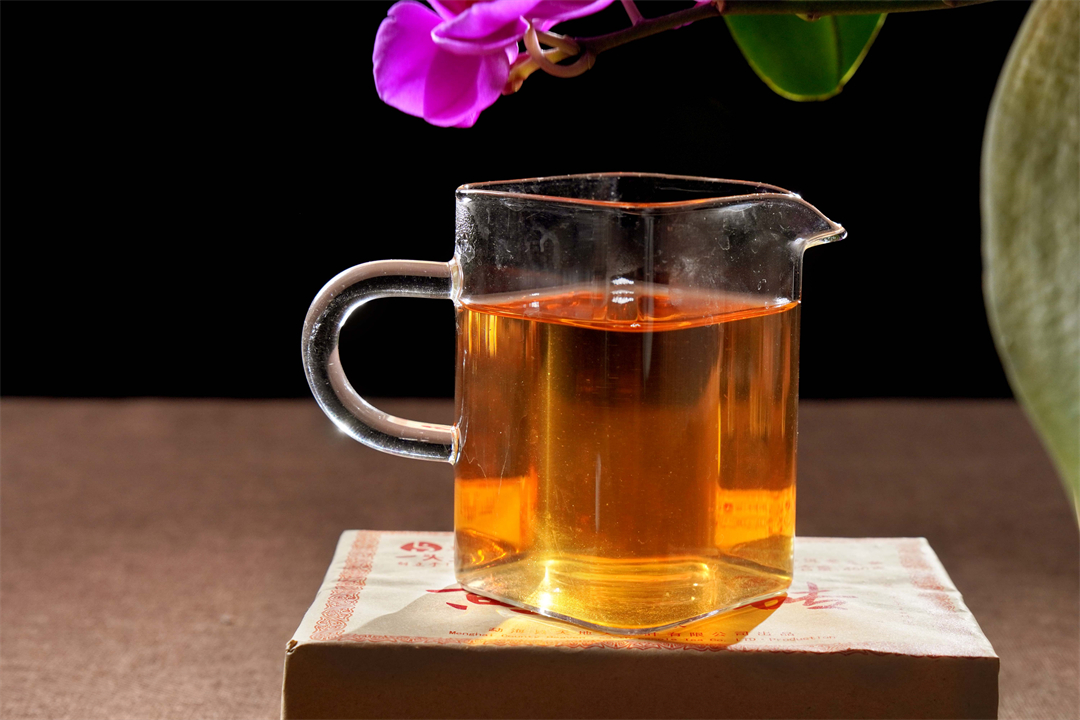
The second type: prolonged soaking without separation, resulting in a bitter taste
Many friends are accustomed to steeping tea directly in large cups, sipping for hours. This prolonged steeping fully releases the astringent compounds from the tea leaves, resulting in a harsh initial brew that later becomes bland and flavorless, completely losing the layered complexity that black tea should possess.
Correct method: Brew using a gaiwan or teapot to achieve "tea-water separation." For the first few infusions, pour the tea quickly, keeping the steeping time between 10-20 seconds. Subsequent infusions should be extended by 5-10 seconds each time. You'll discover that the same tea leaves can produce multiple distinct flavor layers.
|
|

 English
 简体中文
简体中文

 Post time