|
|
Some tea enthusiasts believe that whether famous mountain Pu'er tea is authentic or not is not important, as different plots yield different flavors, making it hard to distinguish. They argue that taste is the key factor. While taste is indeed crucial, authenticity matters equally. If inferior tea from non-famous mountains is passed off as famous mountain tea, or young tea trees are misrepresented as ancient tea trees, or summer-autumn tea is sold as spring tea—especially the former scenario—consumers may struggle to detect the discrepancy before forming a flavor memory. Yet, they end up paying a significant price difference for such misrepresentation.
Famous mountain teas are renowned for their exceptional quality, not simply because they are from renowned mountains. However, due to their popularity, excessive replanting of young tea trees and intensive management to boost yields have stripped them of their original charm. Therefore, famous mountain teas should strive for authenticity, beauty, and harmony—ensuring traceable origins, appropriate craftsmanship, and a delightful taste.
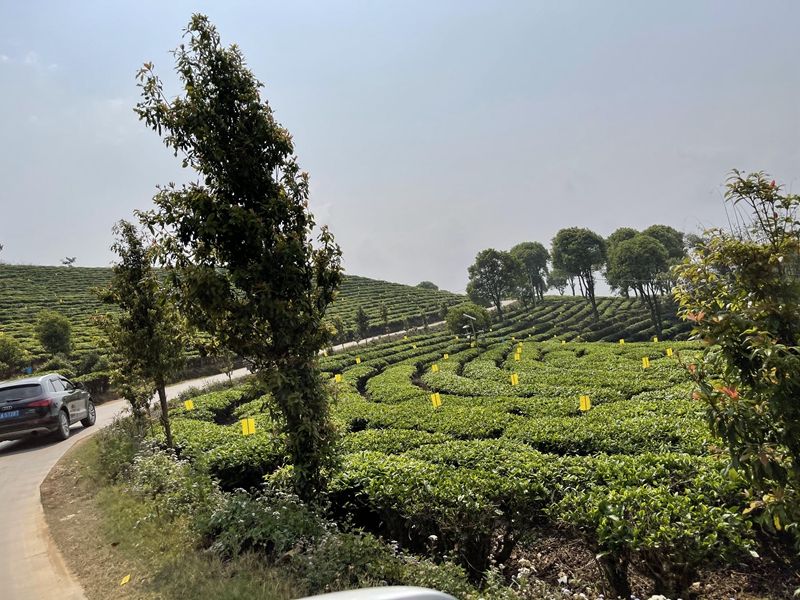
When you develop the ability to appreciate and accept the premium pricing of renowned mountain teas, you can pursue the ultimate experience of "one mountain, one flavor." The value of a mountain can only be truly realized through teas from ancient trees of famous mountains, as these teas boast rich and highly distinctive characteristics. It's not that so-called niche mountain teas lack character, but rather that they also exhibit obvious shortcomings.
After over a decade of development, the quality and reputation of mountain tea have been voted on by tea connoisseurs with their wallets. In reality, the market doesn’t require such a vast array of mountain teas—most need blending to complement each other and unlock greater potential. Confined to niche consumption, they will gradually fade away.
|
|

 English
 简体中文
简体中文

 Post time 2026-8-27 11:10:41