|
|
The distinctive flavor of black tea stems from its four standardized core processing techniques, each step determining the tea's texture. The first step, withering, removes excess moisture from fresh leaves, softens the tea leaves, and activates internal enzyme activity. The second step, rolling, damages the tea leaf cell walls, extracts tea juice, and shapes compact strips, laying the foundation for fermentation. The third step, fermentation, is pivotal to the transformation of black tea, where polyphenols in the leaves fully oxidize into theaflavins and thearubigins, eliminating grassy notes and forming the sweet, mellow base characteristic of black tea. The final step, drying, halts fermentation through high temperatures, locks in the tea's aroma and flavor, reduces moisture content, and ensures long-term storage.
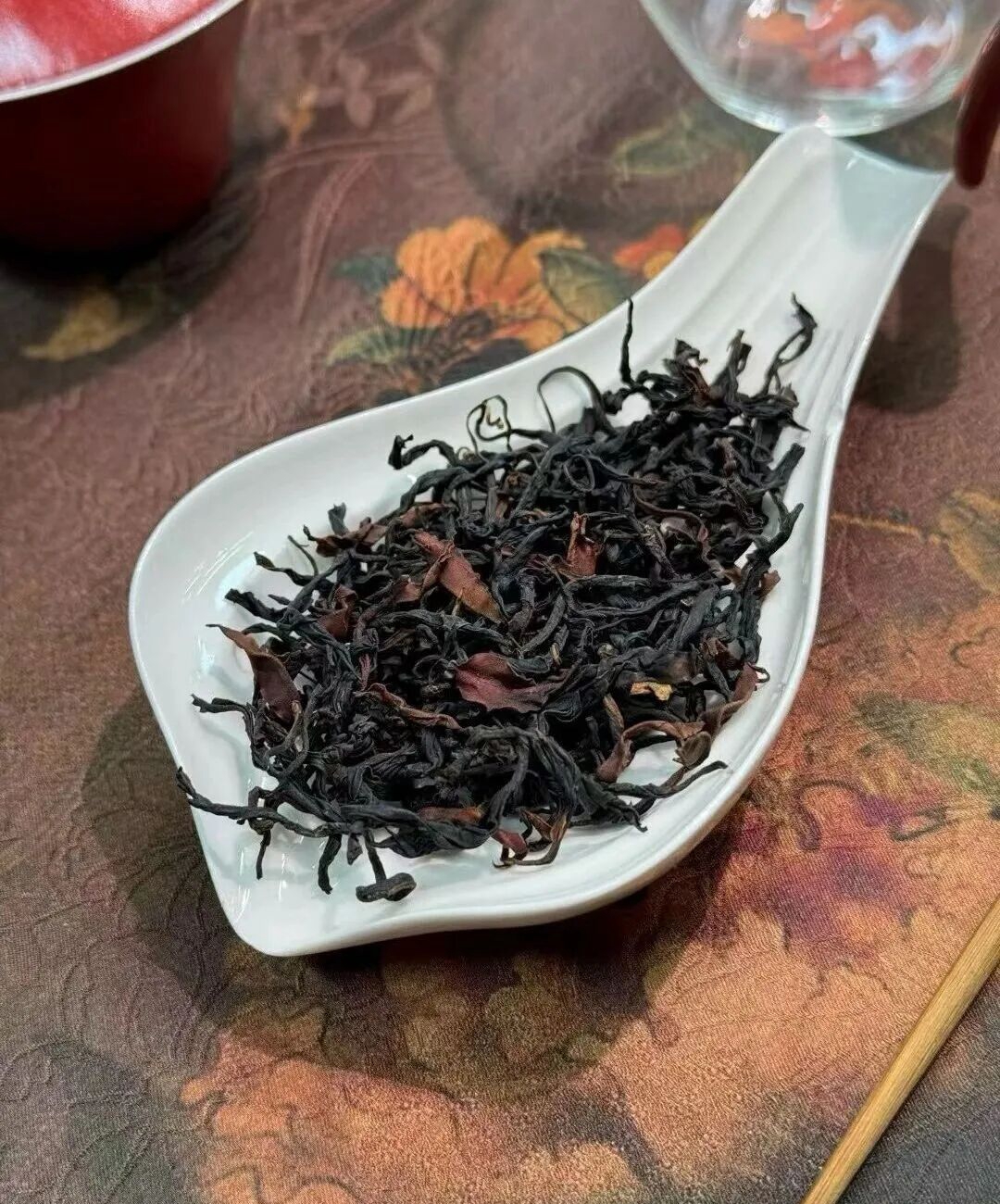
According to the national standard classification, black tea is primarily divided into three major categories: small-leaf black tea, Gongfu black tea, and broken black tea, each with its unique characteristics. Small-leaf black tea, represented by Zhengshan Xiaozhong, is smoked over open flames using pine wood, imparting a distinctive pine smoke aroma and a lychee-like flavor with a mellow and smooth taste. Gongfu black tea features refined craftsmanship and elegant tea leaves, with representative varieties including Keemun black tea, Dianhong, and Jin Junmei. Keemun black tea carries a delicate orchid fragrance, offering a sweet and elegant profile; Dianhong boasts a high, uplifting aroma and a robust flavor, with exceptional steeping endurance; Jin Junmei, with its tender buds and rich honey aroma, stands as a premium black tea. Broken black tea, with its fine particles and rapid infusion, delivers a strong aroma and is commonly used as an ingredient in milk tea and tea bags, catering to the mass beverage market.
Compared to other tea varieties, black tea's greatest advantage lies in its mild nature. Green tea is cold in nature, and oolong tea is cool, whereas black tea, through deep fermentation, completely eliminates its cold properties, offering a warm and nourishing effect on the stomach. The tea pigments in black tea, such as theaflavins and thearubigins, are gentle and non-irritating. Drinking it after meals helps reduce greasiness, aid digestion, and soothe the stomach. Long-term moderate consumption can relax the mind and body, brighten complexion, and is suitable for those with weak spleen-stomach function or a cold constitution, making it the top choice for tea drinking in autumn and winter.
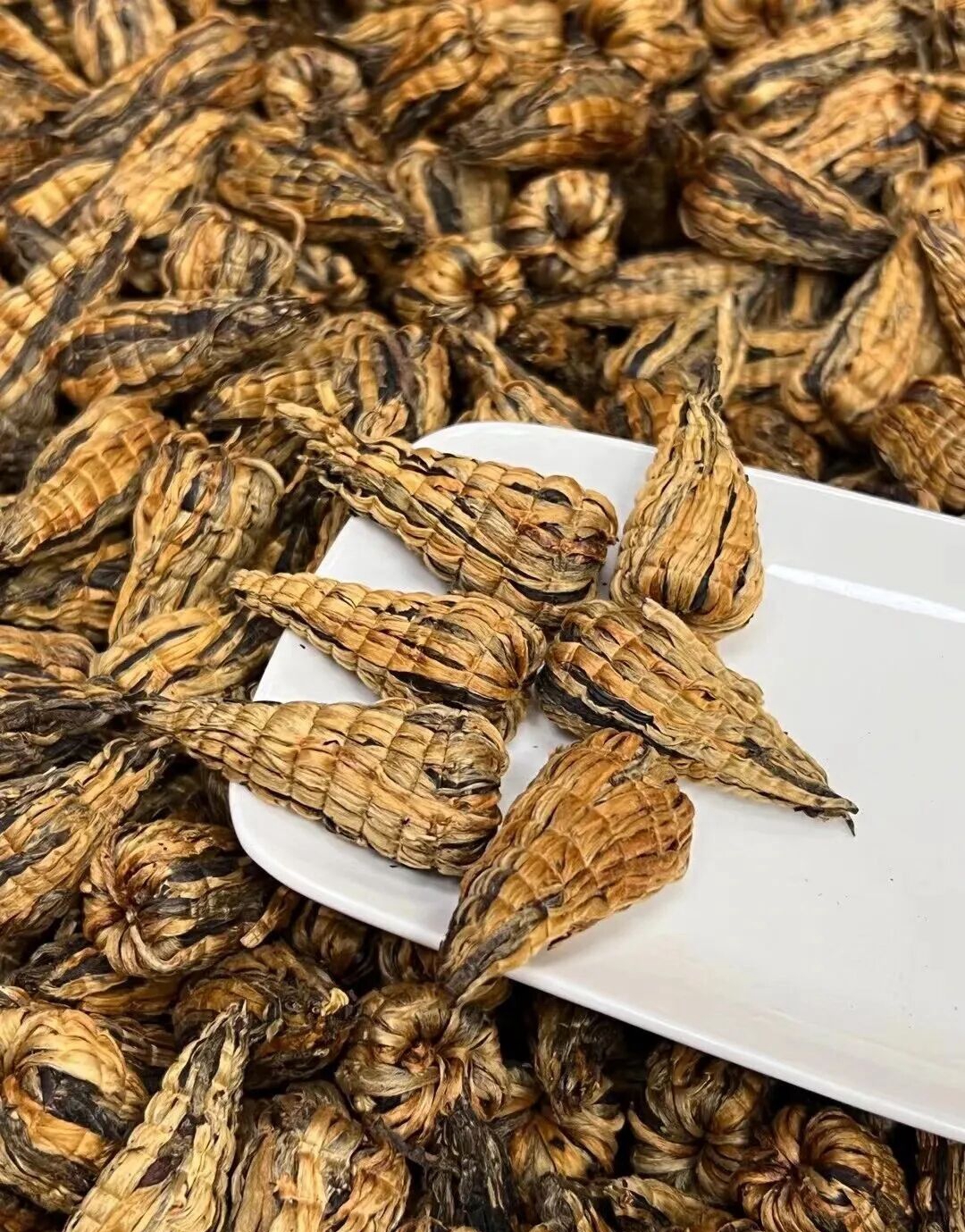
From tea trees in the deep mountains to the rich aroma in a cup, black tea has been refined through centuries of craftsmanship, shedding its initial bitterness and retaining a mellow warmth. It lacks an overpowering fragrance but offers a full-bodied, harmonious flavor that suits diverse tastes. Whether enjoyed pure or blended with milk and honey, it embodies both cultural heritage and everyday warmth, standing as a classic tea beverage and a perfect testament to the wisdom of Chinese tea-making.
|
|

 English
 简体中文
简体中文

 Post time 2026-8-21 15:54:05