|
|
In the late 19th century, Qimen primarily produced green tea. Inspired by the booming market for black tea, tea producers began crafting black tea, only to discover that the resulting tea carried a distinctive, floral-fruit aroma, later known as "Qimen fragrance." It is now recognized as one of the world's three most renowned highly aromatic black teas (the other two being Darjeeling from India and Uva from Sri Lanka).
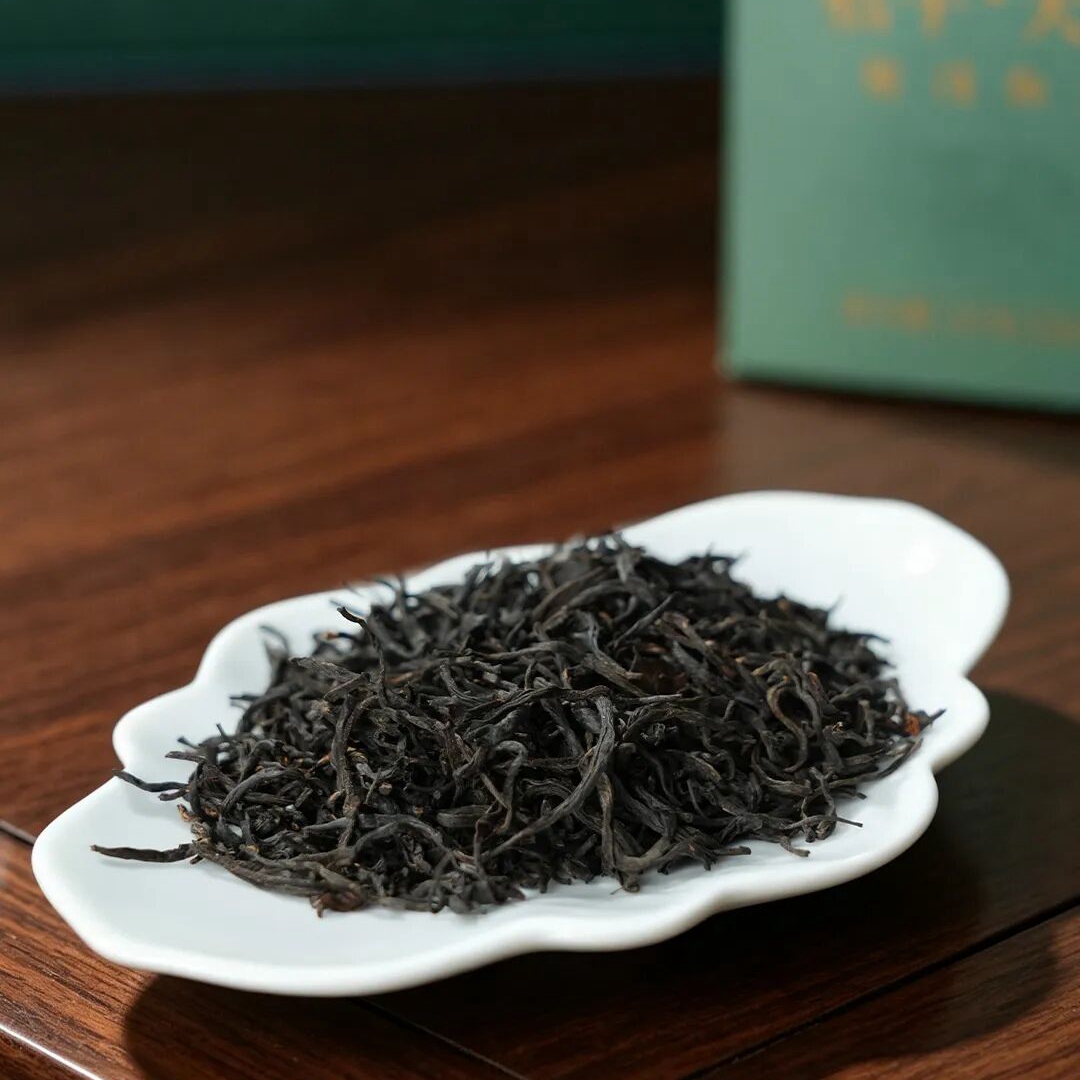
Keemun black tea quickly spread to Britain, coinciding with the rise of the "afternoon tea" culture among the British aristocracy. In the Victorian era's high society, drinking Chinese black tea became a symbol of status and taste. The rich flavor and elegant aroma of Keemun black tea almost established itself as one of the initial taste standards for "British afternoon tea.".
Later, to break free from their reliance on Chinese tea, the British took tea seeds and production techniques to their colonies such as India and Sri Lanka for cultivation, gradually giving rise to the later "Assam" and "Darjeeling" teas, as well as "Ceylon black tea." In a sense, today's global habit of drinking black tea with milk or having afternoon tea can all trace their origins back to these remote tea plantations deep in the mountains of China.
|
|

 English
 简体中文
简体中文

 Post time 2026-8-16 09:54:16