|
|
Many people think that "storing tea" means placing the tea in one place, covering it with a lid to prevent it from getting damp, and waiting for it to slowly age on its own. As for what it will become, it largely depends on luck - when placed in the right place, it becomes more fragrant with age; Placed in the wrong place, it becomes sour, moldy, and spoiled, and a good cake of tea becomes useless like this.
The post fermentation of Pu'er tea is essentially dominated by microorganisms. Polyphenols in tea are slowly oxidized and polymerized under the action of microorganisms and enzymes, generating new flavor compounds. This is the true source of 'the more aged, the more fragrant'.
But microorganisms are a double-edged sword - when temperature and humidity are right, they help you make tea better; The temperature and humidity are not right, it will help you spoil the tea.
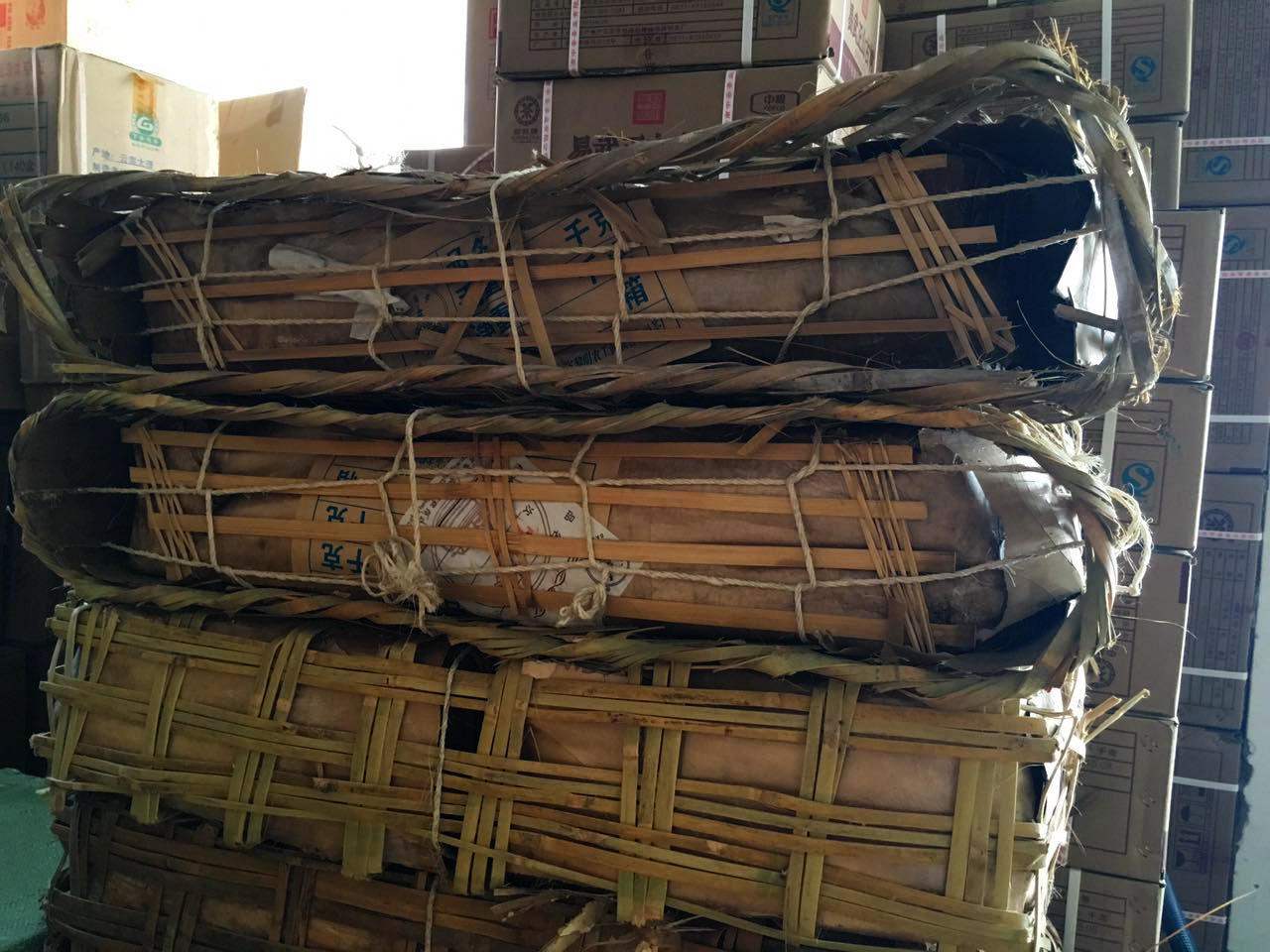
Research has shown that the "optimal temperature" for the aging process of Pu'er tea is between 15 ℃ and 50 ℃, and the "optimal humidity" is between 55% and 85%. This range is very large, and different combinations of temperature and humidity will cultivate different microbial communities, ultimately leading to completely different results.
In a high temperature and high humidity environment, microorganisms multiply rapidly. While probiotics multiply in large quantities, there are also many miscellaneous and spoilage bacteria. Many Pu erh teas become moldy and sour because they are not well controlled within this range. Air oxidation is the main method, with fewer miscellaneous bacteria, but the conversion rate is also slow.
The more aged, the more fragrant it becomes - good raw materials, good craftsmanship, and good warehouse management are all indispensable.
|
|

 English
 简体中文
简体中文

 Post time 2026-7-31 10:40:19