|
|
Ingredients: one for picking the tender, one for using the coarse
Black tea is made from the tender buds and leaves of tea plants, with one bud and one leaf or one bud and two leaves being the most common. The younger the raw material, the higher the quality. For example, Jin Junmei uses only the buds, requiring tens of thousands of buds to produce one pound of tea.
Black tea, on the contrary, relies more on mature, coarse, and aged leaves, some even including stems. This is not a shortcut—coarse and aged leaves are rich in nutrients, cellulose, and sugars, making them resilient to prolonged fermentation and aging. Tender leaves, in contrast, cannot withstand such processes. Black tea is also the primary material for pressing into bricks, cakes, and tus teas, where only coarse and aged leaves ensure durability and longevity.
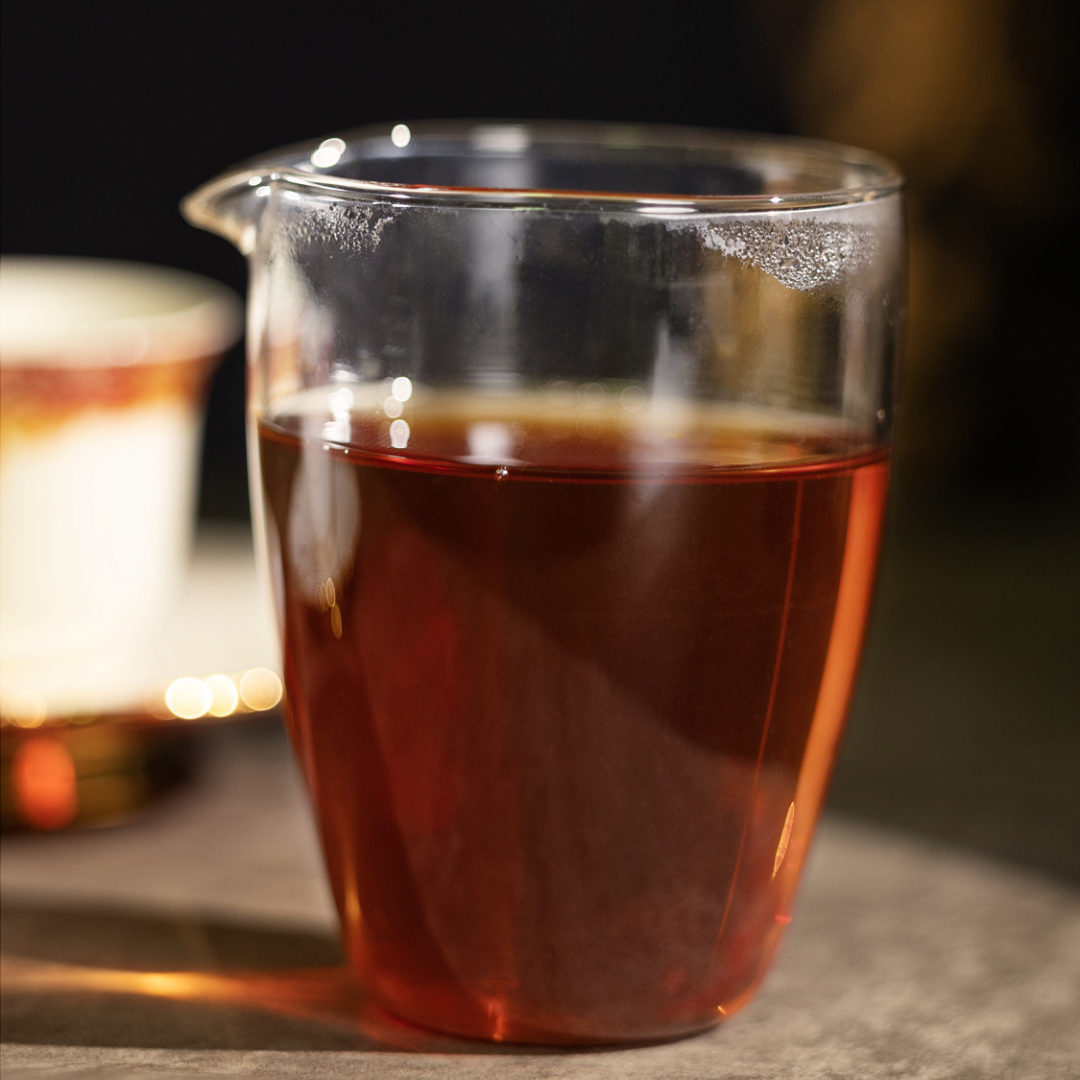
Taste and Appearance: One red, one black, each going its own way
In terms of appearance, black tea is characterized by a dark, lustrous color or prominent golden down, while dark tea exhibits a dark brown, oily sheen or even a dark hue.
After brewing, the differences become even more pronounced. The black tea infusion is bright and crimson, with a sweet and mellow taste. Its aroma primarily features floral and fruity notes, honey sweetness, and a hint of potato-like fragrance, offering a straightforward drinking experience where the sweetness is immediately noticeable upon the first sip.
The tea infusion of dark tea ranges from orange-yellow to deep red, with an aroma leaning towards aged, earthy, and woody notes. It offers a rich, smooth mouthfeel with profound aftertaste. Many dark teas develop a more mellow flavor after several years of aging, which is why aged dark tea often commands higher prices than freshly brewed varieties.
The leaves also differ: the brewed leaves of black tea are reddish-brown, while those of dark tea are yellowish-brown or dark brown.
|
|

 English
 简体中文
简体中文

 Post time 2026-7-31 10:29:45