|
|
Many friends new to Pu'er tea often feel overwhelmed by the vast array of varieties and mountain origins, unsure where to start. In reality, selecting tea isn't as complicated as it seems—finding the right approach can save you from unnecessary detours.
If you're buying raw tea, the first step is to set a budget, just like when shopping for clothes or shoes. Define a price range for yourself, such as 300-500 yuan per pound or 500-1000 yuan per pound, and then filter options within that range to avoid decision fatigue.
For friends who rarely drink tea or have no experience with single-origin mountain teas, opting for medium-sized, older trees from secondary-grade mountain areas is a good choice. These teas are considered everyday brews, with straightforward profiles—rich aromas, decent sweetness, no notable bitterness, and good aftertaste and saliva production. Examples include Guangbie Laozhai in Bawang Mountain, Manuo in Mengwang, and Mahui Wancong in Yiwu, all excellent options. Most are priced below 500 yuan per pound, with some high-value producers available for around 300 yuan. All are fully organic teas, free from fertilizers and pesticides, ensuring a worry-free drinking experience.
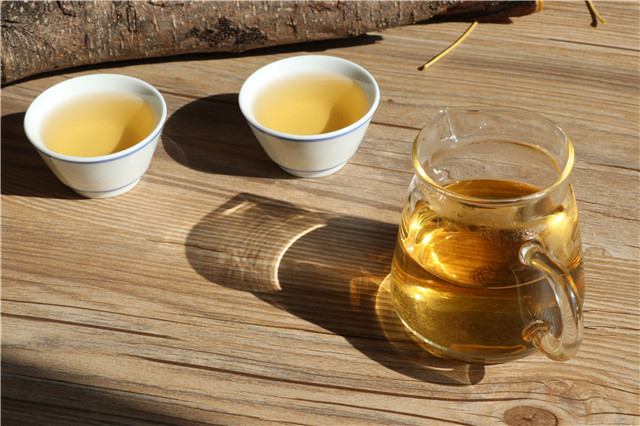
For tea enthusiasts with a more generous budget, you can try ancient tree teas from second-tier mountain areas. These teas have a subdued flavor profile, with more robust infusions and distinct mountain characteristics. They are generally free of bitterness, exhibit clear mountain notes, and possess strong potential for future development, making them ideal for quickly understanding mountain-origin teas and enhancing tasting skills. Examples include Pa Shashixiang, Mengsong Naka, and Yiwu Mahai ancient trees, all of which are of exceptional quality, typically priced between 1,000 and 3,000 yuan per pound. These tea trees are over a century old, and the fresh leaves are sun-dried green tea, which makes them easily accessible to those accustomed to drinking green tea.
As for ripe tea, it is produced through the fermentation of raw tea through pile-fermentation. Its mountain characteristics are not pronounced, but it offers a smooth taste, thick tea liquor with a milky, creamy texture, and is suitable for all ages. However, the production cost of ripe tea is higher than that of raw Pu'er made from the same raw materials, and it also demands stricter craftsmanship. It is not advisable to choose ripe Pu'er at excessively low prices; opt for products priced above 300 yuan per pound to ensure the quality of both the raw materials and craftsmanship, avoiding potential health risks.
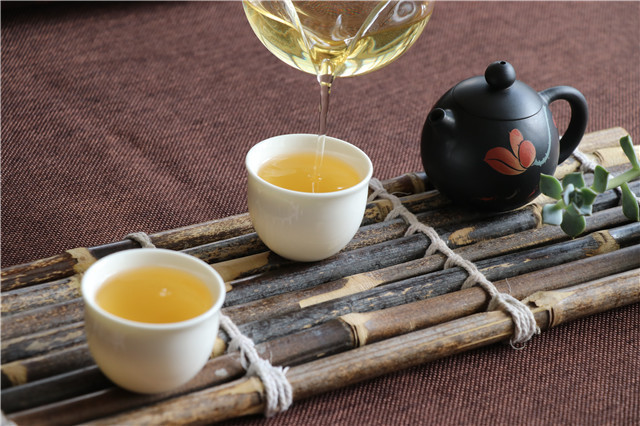
In fact, the key to judging the quality of tea lies in the word "comparison." Compare teas from different sources within the same price range and choose the flavor you like the most. As long as you pay for it and enjoy it, it's good tea.
There is no one-size-fits-all answer when it comes to selecting tea. Find reliable sources, compare and try different options, and you'll minimize mistakes while discovering the perfect tea for you.
|
|

 English
 简体中文
简体中文

 Post time 2026-7-13 09:47:55