|
|
The taste of tea primarily includes sweetness, freshness, bitterness, and astringency. Beyond these four flavors, there are also other taste-contributing substances, such as sourness.
Among the internal substances, the primary components exhibiting sourness include various acids such as certain amino acids, organic acids, ascorbic acid, gallic acid, and theaflavins.
During the tea production process, most of these sour-tasting substances undergo esterification reactions with other compounds, resulting in a more mellow and layered flavor profile in the brewed tea.
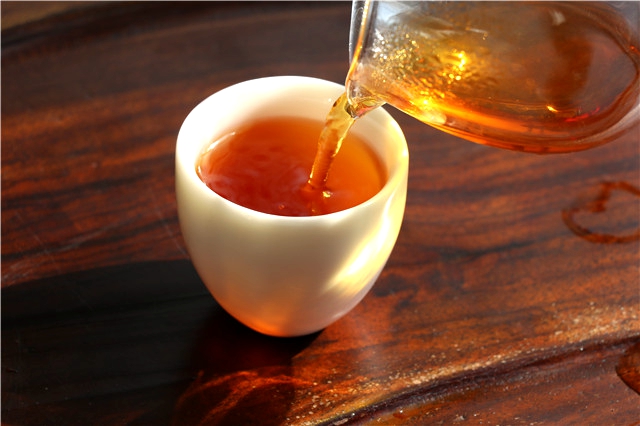
A small portion dissolves into the tea infusion, contributing to its overall flavor profile. The well-balanced acidity enhances the "lightness and liveliness" of the tea, as well as promoting saliva production.
When we drink tea, we rarely notice the "sourness," but why does black tea taste sour?
Is the tea soup sour because the infusion isn't quick enough? Did you pour boiling water over the tea leaves forcefully?
Since black tea has already undergone a lengthy fermentation process during production, it does not require prolonged steeping to activate its internal compounds. However, pouring boiling water directly can cause excessive extraction of these compounds, leading to an imbalanced flavor profile and a pronounced sour taste.
Suggestion:
1. Altering the brewing method of black tea allows for instant brewing;
2. It can be brewed with hot water around 90°C, and the water should be poured along the edge.
|
|

 English
 简体中文
简体中文

 Post time 2026-6-23 16:08:10