|
|
Pu'er tea can indeed age, but "age" does not equate to "quality.".
Good raw materials, combined with excellent craftsmanship and proper storage, are essential for tea to develop a richer aroma over time. However, if the ingredients are subpar, the production process is flawed, and the storage conditions are inadequate—even prolonged aging won't salvage the tea. Worse still, if the tea becomes damp and moldy during storage, it won't develop a medicinal fragrance but instead produce harmful substances like aflatoxin. That's not "aged tea"—it's "spoiled tea.".
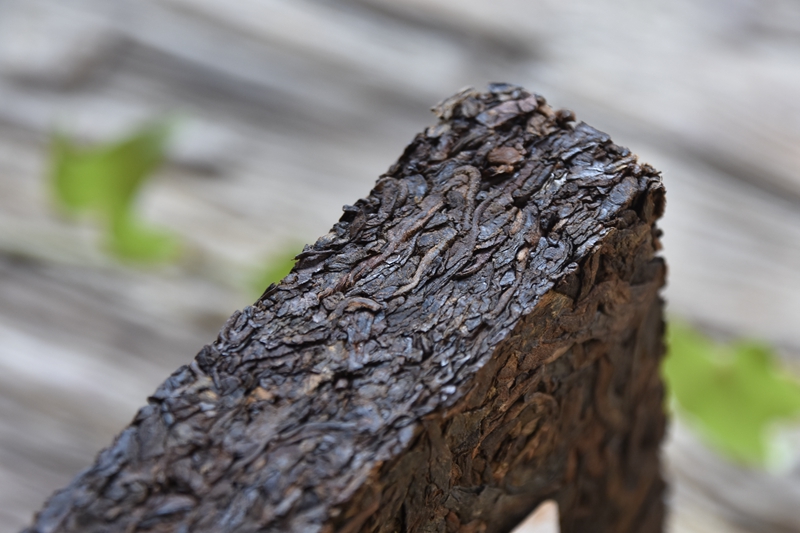
The mold spots on bamboo shoot shells and the damp marks on packaging paper are not "signs of time" but signals of storage issues. Truly aged tea is clean, clear, and free of any off-flavors. The difference between aged tea and stale tea lies in this: aged tea is pristine, while stale tea is merely left too long. Some tea merchants pass off "left too long" as "aged perfectly," but these are two entirely different things.
An aged Pu'er tea doesn't necessarily mean it's good; a high-priced Pu'er tea doesn't necessarily mean it's genuine; and an old-looking packaging doesn't necessarily indicate it's an aged tea.
When buying Pu'er tea, it's not about the vintage but the quality. Quality stems from superior ingredients, excellent craftsmanship, and proper storage—each is indispensable.
|
|

 English
 简体中文
简体中文

 Post time 2026-6-17 10:17:49