|
|
The "the older, the more fragrant" characteristic of Pu'er tea is one of the two great secrets it contains.
The "aging" of Pu'er tea is a temporal concept, while the "increasing aroma" is a material concept. The phrase "the older, the more fragrant" actually encompasses three of the most valuable core aspects of Pu'er tea:
One is time
The time concept of "aging" is not only the most significant distinction between Pu'er tea and other tea varieties like green tea, but also one of the core values of Pu'er tea—without "aging," it would not be Pu'er tea. Conversely, the extension of this "aging" period also provides the temporal foundation for the continuous degradation and transformation of Pu'er tea's internal substances.
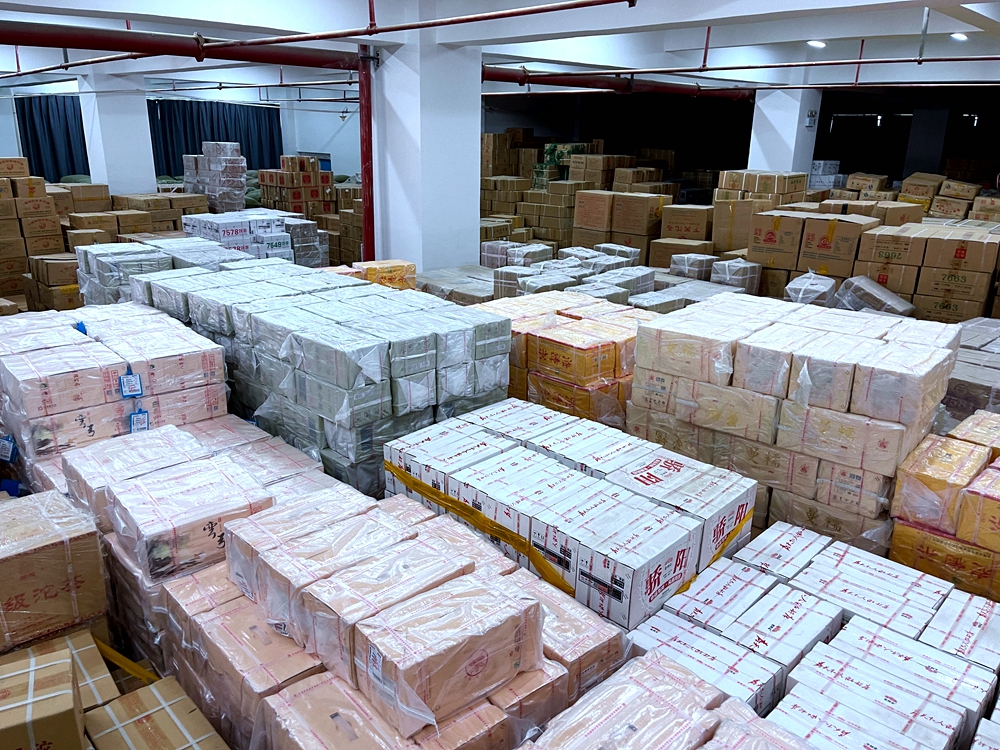
The second is the transformation of matter (i.e., how to understand "yuexiang")
Many tea drinkers, once they pause drinking Pu'er tea—even for just a few days—will immediately feel a sense of long-lost reunion when savoring it again. This unique aroma lingers vividly in memory and possesses remarkable exclusivity. This is the so-called "aged fragrance"—more precisely, "deep fragrance." Such substances arise from the slow complexation and transformation of tea polyphenols, tea saponins, caffeine, and other compounds under enzymatic action over extended periods. It embodies the true essence of Pu'er tea: "the longer it ages, the more fragrant it becomes.".
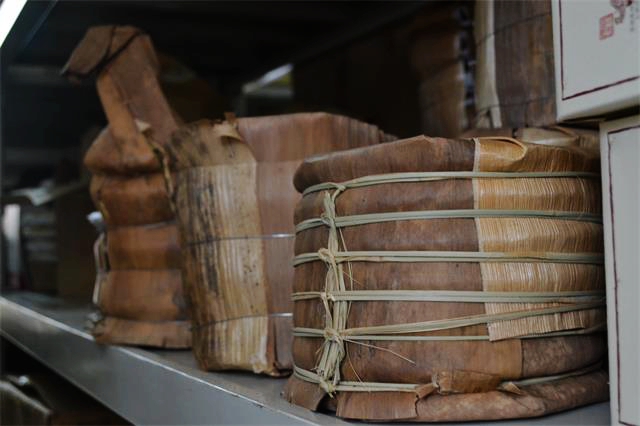
Third, nutritional and medicinal value
The phrase "the older the better" when it comes to Pu'er tea is a classic expression of a biological process and its outcome. Biological degradation and transformation require time, which constitutes the "aging" process, while "better aroma" not only signifies a unique fragrance but also embodies the concept of quality. Without superior quality, a delightful aroma cannot emerge.
|
|

 English
 简体中文
简体中文

 Post time 2026-6-9 13:43:29