|
|
If the expiration date on the tea has passed, does it mean the tea has gone bad and is no longer drinkable?
It's not entirely accurate. Many teas may not show significant differences in quality even after their optimal drinking period has passed, and some might even develop better flavors.
However, drinking "expired" tea does not mean the "shelf life" is meaningless.
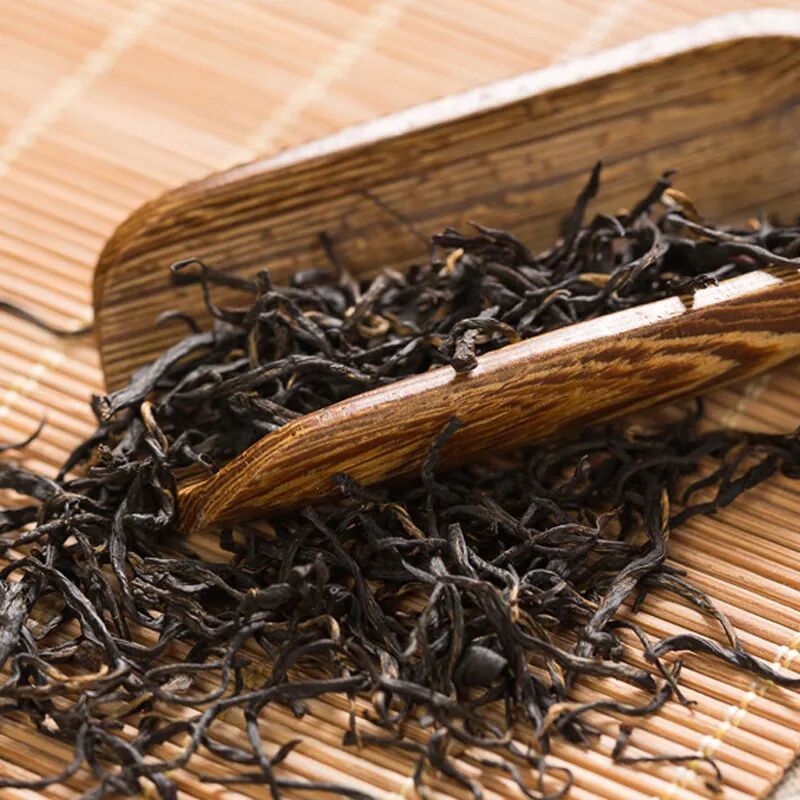
Tea undergoes continuous dynamic changes from harvesting, processing to storage, with each type boasting its own highly sought-after unique flavor profile. For instance, white tea is celebrated for its "one-year tea, three-year remedy, seven-year treasure" characteristics, while green tea is prized for its fresh, crisp, and invigorating taste when consumed immediately after harvest. Pu-erh tea, on the other hand, develops a mellow, smooth, and aged profile through its fermentation and maturation process .....
Therefore, apart from the aforementioned types of Pu'er tea, dark tea, and white tea, which can be stored for many years under suitable conditions, from a taste perspective, green tea, yellow tea, black tea, and lightly fragrant oolong tea generally are not suitable for long-term storage. It is best to consume them within the "shelf life" indicated on the packaging.
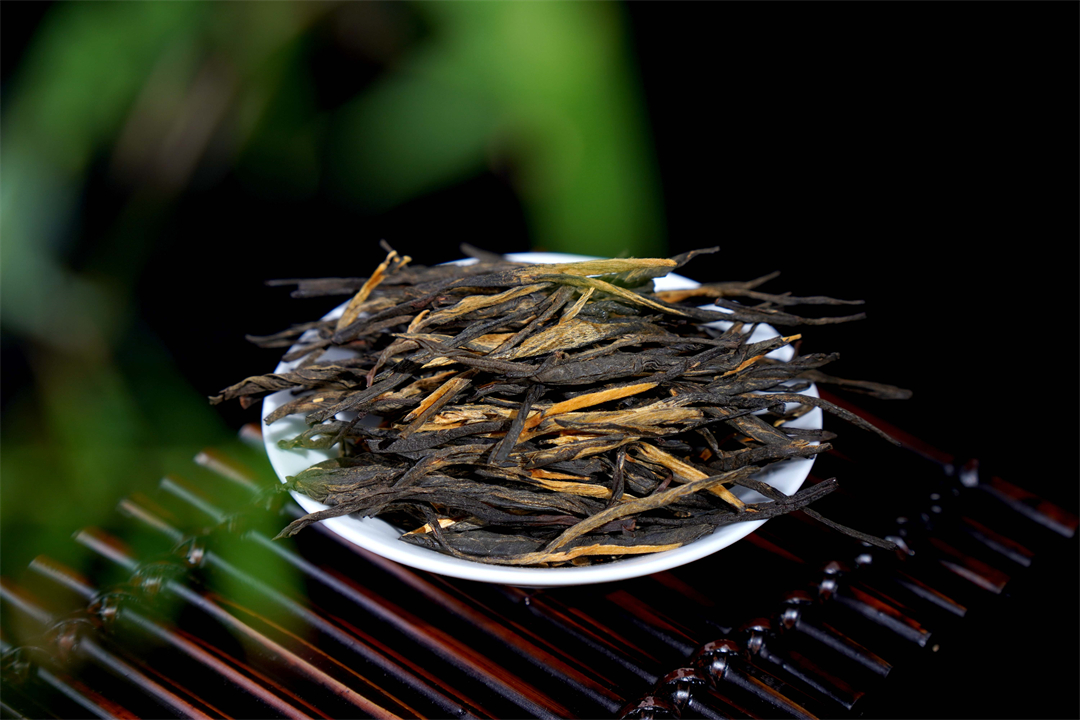
Although black tea has a high fermentation degree, it cannot be preserved for 10 to 20 years like Pu'er or dark tea. Generally, depending on the variety, grade, and packaging, its shelf life is typically marked between 2 to 3 years. Its signature floral, fruity, and honeyed aroma gradually weakens or even dissipates with prolonged storage, resulting in a significantly diminished drinking experience despite remaining potable.
Even for high-quality, well-preserved black tea, it is generally recommended to consume it within three to five years. For your favorite black tea, try to drink it at a regular pace after purchase and opening, without the need for deliberate long-term storage.
|
|

 English
 简体中文
简体中文

 Post time 2026-4-28 10:25:26