|
|
As the most popular tea category worldwide, black tea is beloved by all, whether it's the mellow Lapsang Souchong, the rich Keemun black tea, or the widely adored British-style black tea.
Before the emergence of black tea, green tea was the dominant type of tea in China, with ancient tea production primarily relying on non-fermentation or light fermentation techniques. As a fully fermented tea, black tea represented a groundbreaking innovation in the history of Chinese tea-making. Its creation was not the result of deliberate research but rather stemmed from a beautiful accident.
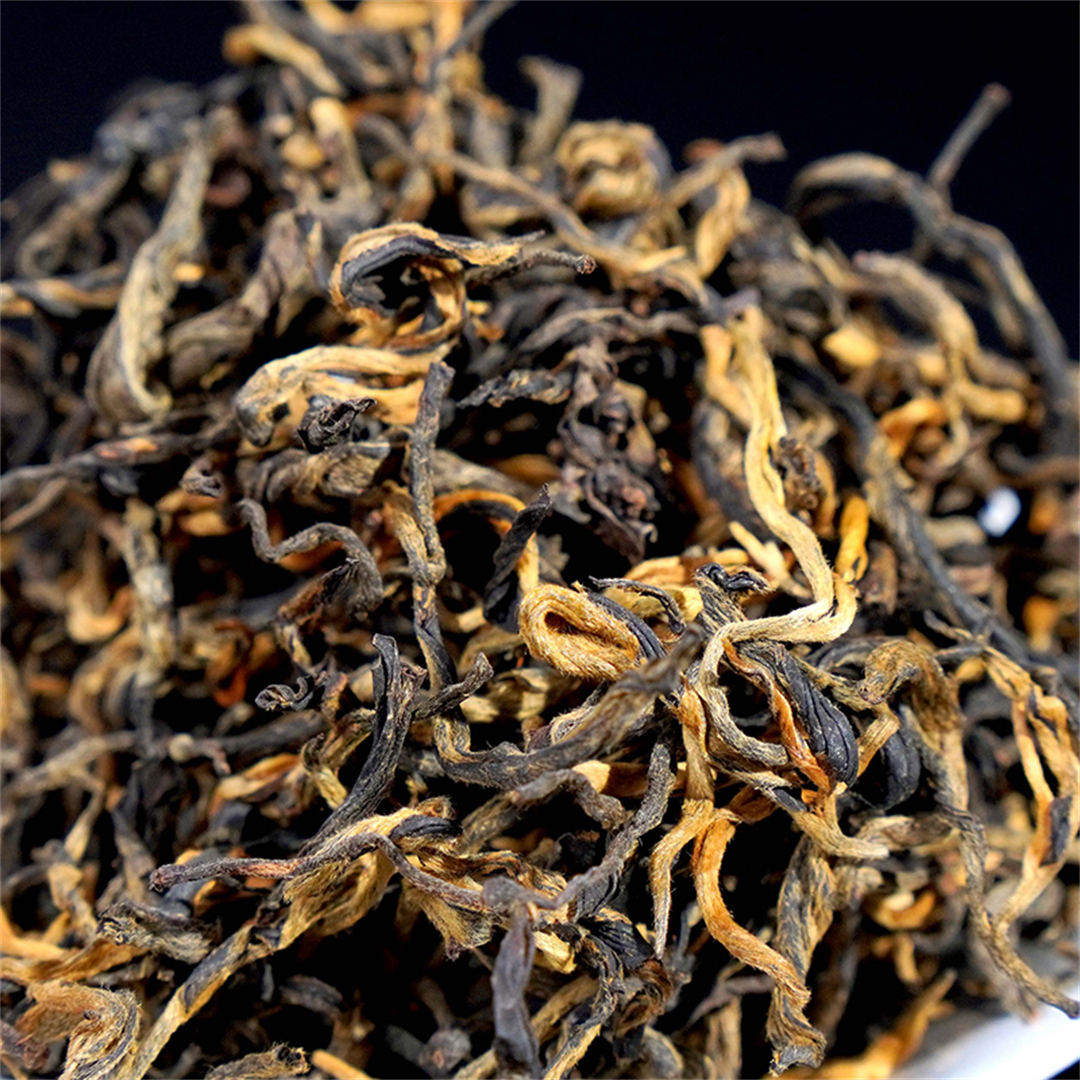
Legend has it that during the late Ming and early Qing dynasties, tea farmers in Tongmuguan were busy producing green tea when a group of soldiers suddenly passed through the area. The farmers hastily hid in the mountains, leaving the freshly picked tea leaves unprocessed. The soldiers stayed overnight on the tea leaves, and the body heat and pressure caused the tender leaves to unexpectedly ferment, turning them reddish and losing the fresh, crisp flavor of green tea. After the soldiers left, the farmers were heartbroken by the spoiled tea. To salvage the loss, they rolled the fermented leaves and dried them over local firwood fires.
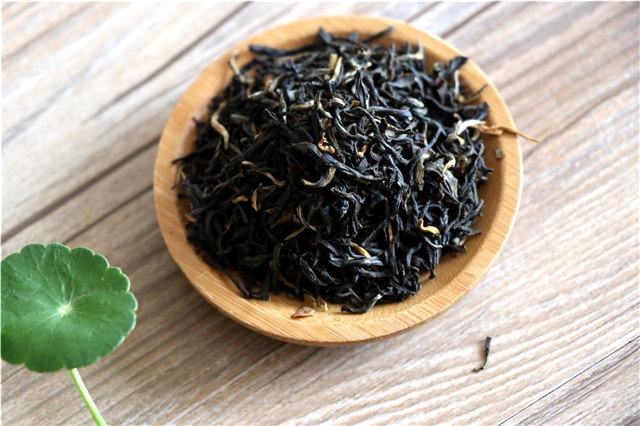
Unexpectedly, after this process, the tea shed its bitterness and developed a unique pine smoke aroma along with a sweet flavor. When brewed, it yields a bright and vibrant red infusion with a smooth and mellow taste—this is Lapsang Souchong, the world's earliest black tea, hailed as the "ancestral parent of black tea.".
The initial black tea was dark and glossy after being smoked with pine soot, which is why it is called "Black Tea" in English rather than "Red Tea.".
|
|

 English
 简体中文
简体中文

 Post time 2026-4-24 14:01:08