|
|
The term "Pu'er" in Pu'er tea refers to a place name, not a type of tea.
During the Qing Dynasty, tea leaves were gathered and transported from the Pu'er Prefecture (now Pu'er City) in Yunnan to various regions, so people from other areas called it "Pu'er tea.".
Just like West Lake Longjing isn't called "Hangzhou tea"—tea is tea, and a place name is a place name, but good tea always needs a name to be remembered.
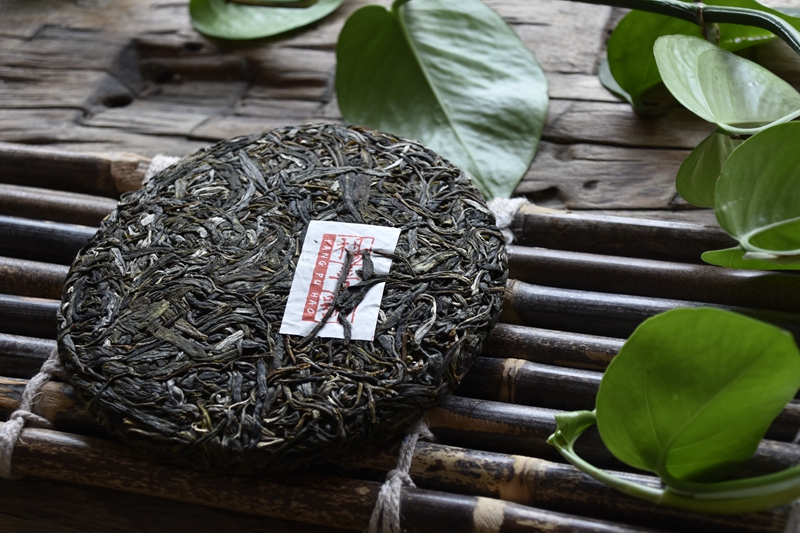
Interestingly, Pu'er tea was not the same as it is today in the early years. Back then, freshly brewed Pu'er tea was bitter and astringent, even to the locals' own disapproval. It wasn't until later that they discovered allowing the tea to rest and age would transform its bitterness and astringency into a sweet and mellow flavor.
The fact that Pu'er tea tastes better with age is something the tea itself "practices," not something manufacturers hype up.
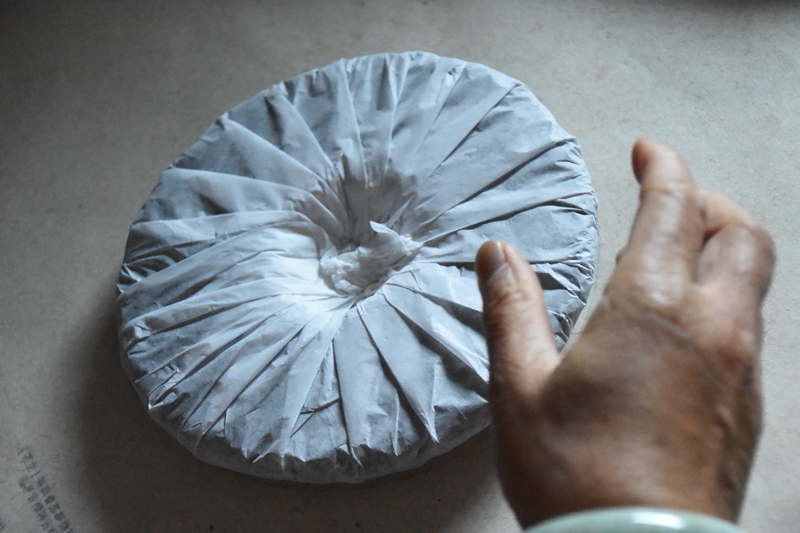
Pu'er tea is the kind of tea that is a "friend of time.".
Unlike Longjing tea, which offers a fresh taste, or Tieguanyin, which delivers a fragrant flavor, Pu'er tea embodies the passage of time—the gradual transformation and sedimentation of tea leaves over the years.
|
|

 English
 简体中文
简体中文

 Post time 2026-4-20 09:38:01