|
|
The temperature for fixing Pu'er tea is generally between 60 and 80 degrees Celsius, known as low-temperature fixing. The advantage of this method is that it preserves more active components in the tea leaves, which is beneficial for later aging and transformation.
At the same time, it is essential to prevent the high-temperature denaturation of tea's intrinsic biological enzymes, such as polyphenol oxidase and catalase, to facilitate subsequent aging and fermentation. Among these, polyphenol oxidase and tea polyphenols can drive color transformation in the later stages, shifting the tea leaves from green-yellow to orange-yellow, orange-red, and brown hues.
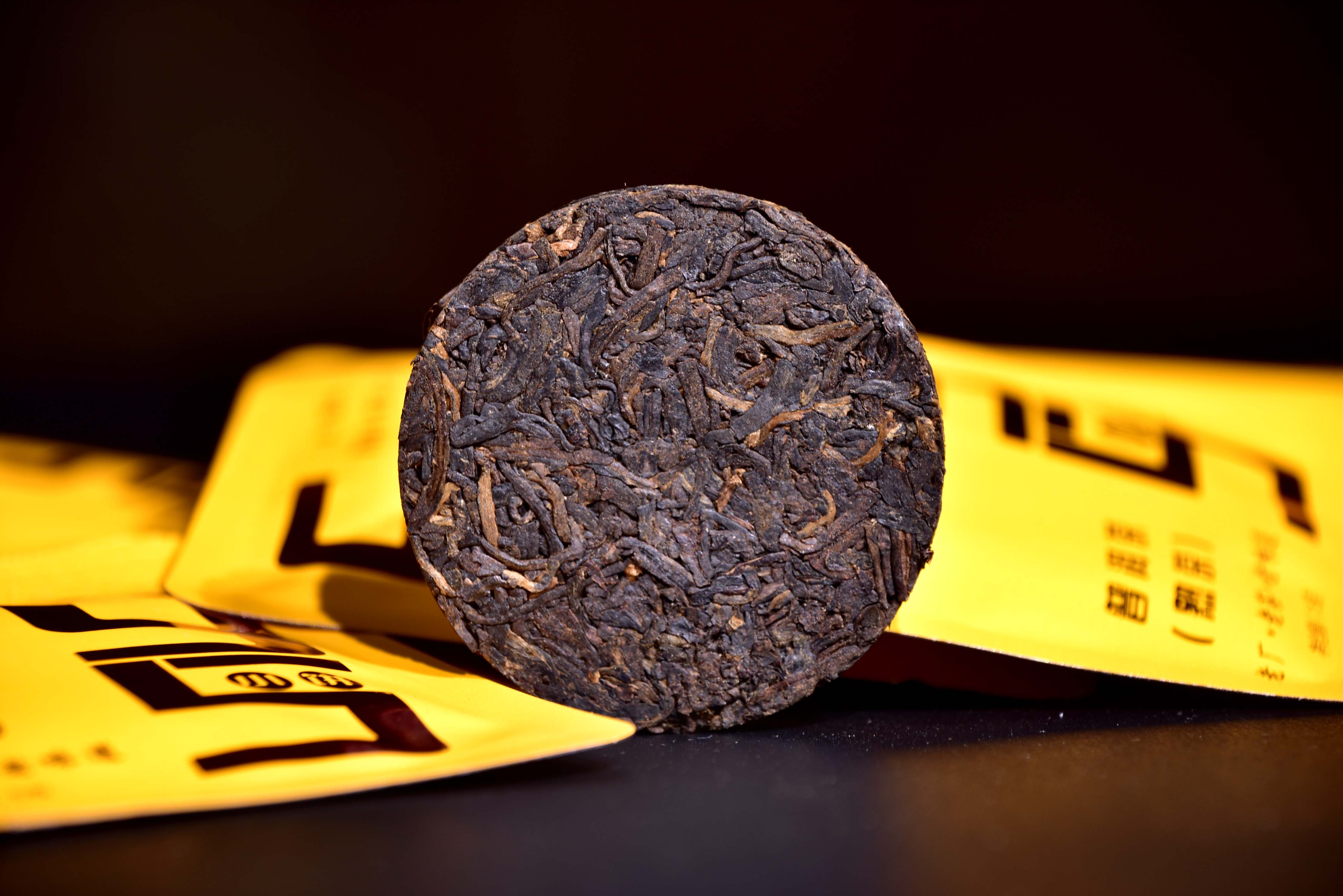
Scientific research indicates that during the post-fermentation of Pu'er tea, its aroma tends to evolve toward a singular direction. The dominant aromatic compound gradually formed is oxidized sandalwood alcohol, which belongs to a unique aromatic class often described as elegant and possessing the reputation of "opening the senses." Perhaps precisely because of this sensory-opening effect, it is highly likely to create lasting memories in the human brain's central nervous system.
This makes many tea enthusiasts feel as if they've been apart for a long time when they drink Pu'er tea again after a pause, even just a few days. This unique aroma leaves a deep impression and possesses strong exclusivity. This is what we often refer to as "aged fragrance.".
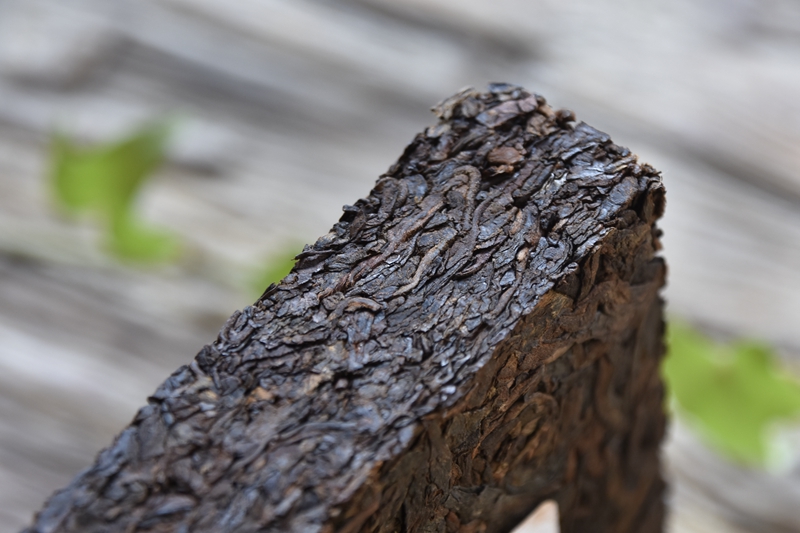
These substances are formed through the slow complexation and transformation of various compounds such as tea polyphenols, tea saponins, and caffeine over time, under the action of enzymes. This is the true essence of "the longer it ages, the more fragrant it becomes" in Pu'er tea. In fact, the phenomenon of "aging enhances fragrance" in Pu'er tea is a classic representation of biological processes and their outcomes.
The degradation and transformation of biological materials require time, representing a process of "aging." The term "aging" does not merely denote a specific aroma but also embodies the concept of quality. Without good quality, it is impossible to produce an excellent aroma.
|
|

 English
 简体中文
简体中文

 Post time 2026-4-13 15:17:24