|
|
The fragrance of black tea is not innate; it originates from the tea plant itself but truly blossoms through the human wisdom of processing. Imagine the tea plant growing in warm, humid mountainous areas, absorbing sunlight, rain, dew, and the essence of the soil. Tea leaves contain abundant volatile compounds, such as tea polyphenols and amino acids, which serve as the foundational ingredients for aroma.
Objectively speaking, tea plant varieties from different origins yield distinct aromatic profiles. For instance, the malt aroma of Indian Assam black tea stems from its robust leaves, while the pine smoke fragrance of Chinese Keemun black tea owes to its unique soil and climate. Scientific research reveals that these aromatic molecules remain "asleep" in fresh tea leaves and only awaken through processing. This marks the starting point of black tea's charm—a perfect union of nature and human craftsmanship.
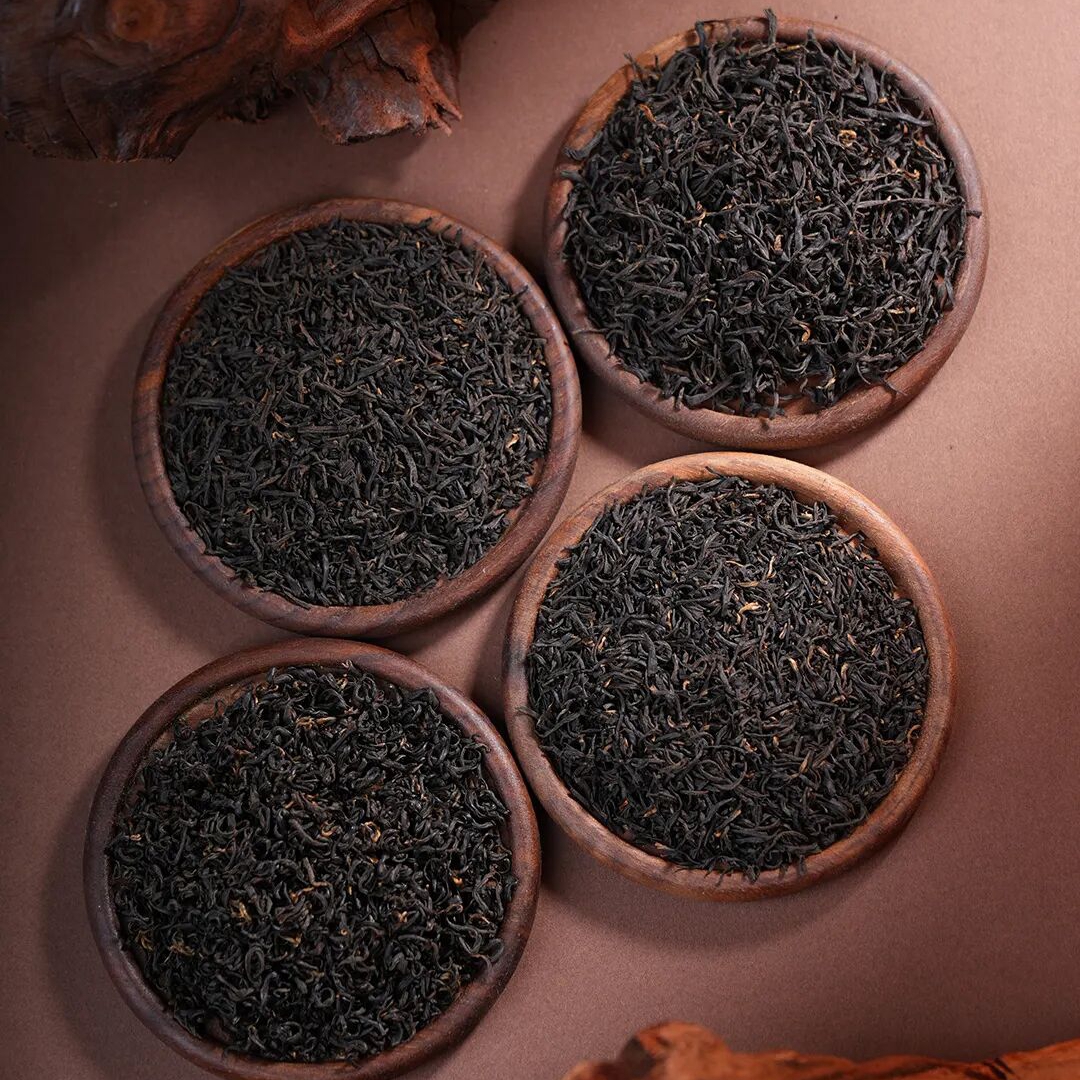
The flavor of black tea is far more than just aroma. It combines elements such as sweetness, acidity, bitterness, and astringency, creating a multi-layered taste experience. The secret to its fragrance lies in tiny molecules: for instance, linalool brings floral notes, while geraniol contributes fruity undertones. These molecules are released as the tea steeped in hot water, reaching your nasal cavity directly.
Interestingly, human perception of these aromas varies from person to person. Some can discern subtle caramel notes, a result of sugar transformation during fermentation, while others may be more sensitive to woody undertones, attributed to the tannins in tea leaves. An objective perspective suggests that the diversity of black tea flavors stems from innovations across global tea-producing regions, such as Earl Grey, which skillfully blends bergamot's citrus aroma.

A more optimistic point is that the flavor of black tea continues to evolve. With climate change and advancements in breeding techniques, new varieties of black tea may bring even more surprises. Consider this: a cup of black tea is not just a beverage, but a crystallization of culture and science.
|
|

 Post time 2026-4-6 14:16:43