|
|
We often hear tea leaves described as "astringent" when drinking tea, but perhaps most people misunderstand it. "Astringent" is not actually a taste, but a tactile feeling.
Is "astringency" really a "taste" of tea?
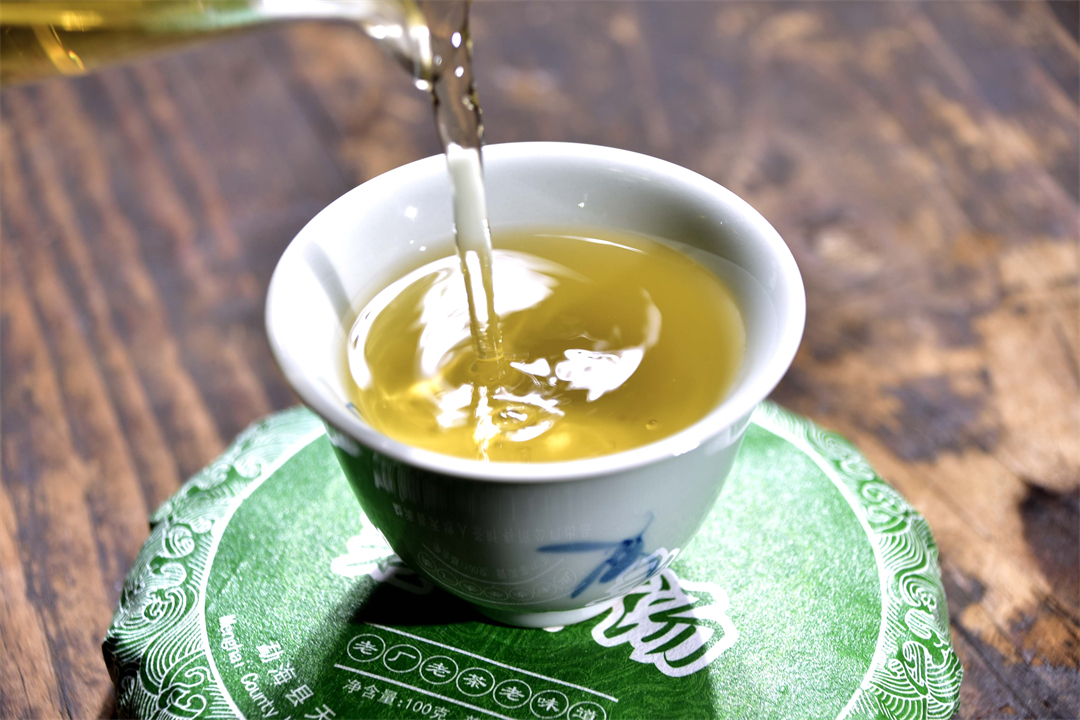
When the tea soup enters the mouth, the oral mucosa will feel astringent and tight, which is called astringency. The “leader” behind this is the tea polyphenols in tea, especially catechins.
Research shows that catechins account for 60%-80% of the total amount of tea polyphenols, and the astringency of lipid catechins is particularly obvious. It binds to proteins in saliva, causing precipitation, which causes an astringent feeling in the mouth.
Is "astringency" really a "taste" of tea?
So, why do some teas have obvious astringency, while others are almost imperceptible?
This is mainly due to two points: first, the growth environment of tea trees is different, and the content and composition of catechins in fresh leaves are different;
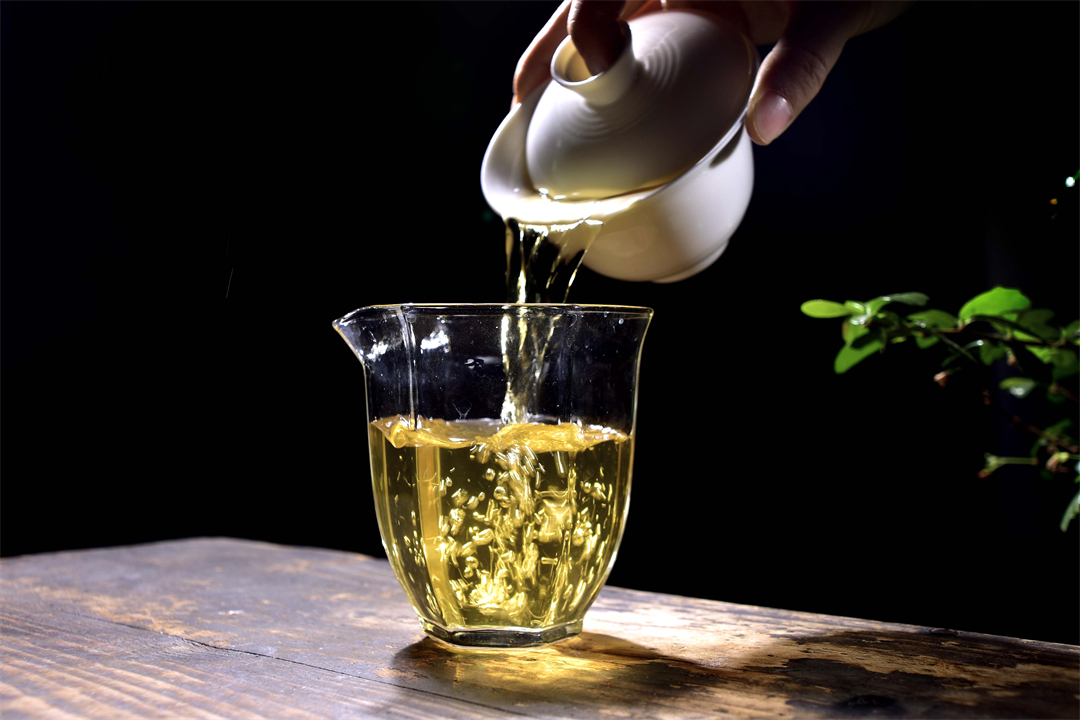
The second is the influence of tea making technology. The degree of material transformation during processing is different, resulting in different contents of astringent substances in the finished tea.
Is "astringency" really a "taste" of tea?
In addition, the intensity of astringency is also affected by the following aspects:
1. The degree of transformation of the tea's own substances. If the tea contains a high proportion of astringent substances and is not fully transformed, the astringency will tend to be more prominent.
2. Changes in storage environment. Temperature and humidity conditions will affect the subsequent transformation of substances inside tea leaves, thereby changing the presentation of astringency.
3. Differences in brewing methods. Even with a suitable ratio of tea to water, steeping for too long will cause excessive precipitation of the contained substances, resulting in an enhanced astringency.
Is "astringency" really a "taste" of tea?
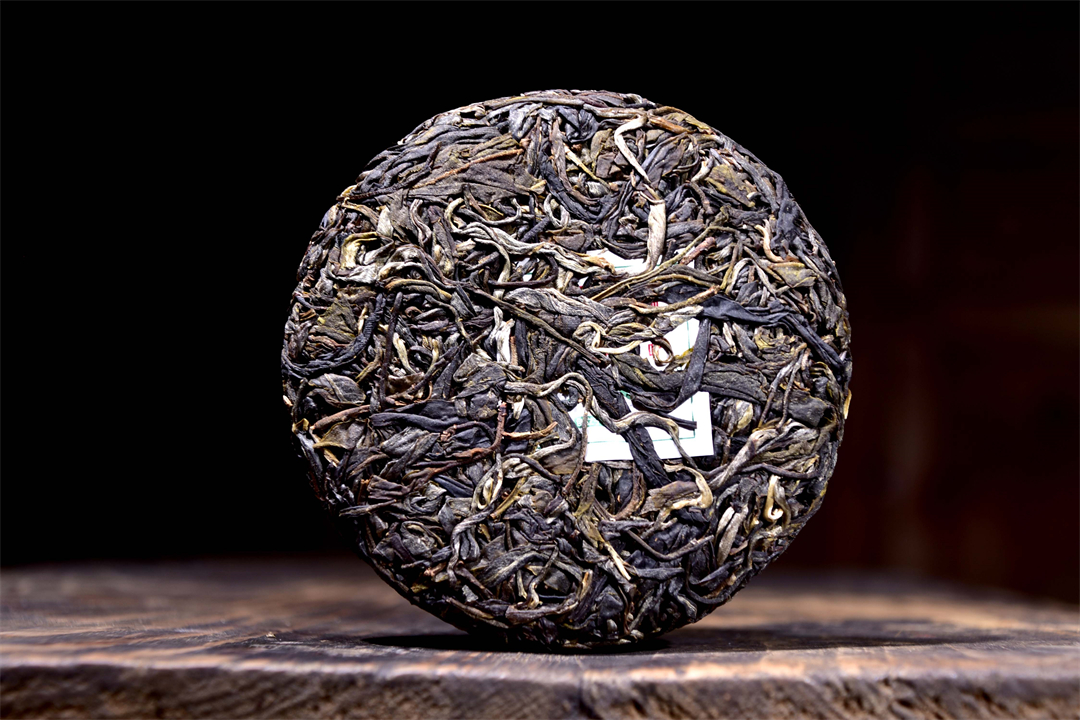
To correctly understand astringency, it is not a defect, but an expression of the rich content of tea. By learning to observe and adjust, we can better appreciate the unique personality of each brew.
|
|

 English
 简体中文
简体中文

 Post time 2025-12-17 10:51:49