|
|
Black tea is a fully fermented tea, milder in nature than green tea and more "tolerant"—unparticular about brewing tools and unfazed by boiling water. Yet, it also has three weaknesses: improper water temperature, flawed brewing techniques, and damp storage.
Let’s start with the tools. The white porcelain lid pot is the most "authentic" stage for black tea—it doesn’t absorb flavors or overpower aromas, allowing the tea’s fragrance and liquor color to shine through. White porcelain cups and glass teapots offer a clear view of the red-bright liquor, making them ideal for pure drinking and visual appreciation. Using a purple clay pot results in a smoother, more subdued aroma, particularly suited for aged teas and blended brews; however, purple clay pots "absorb" flavors, so it’s best to use one pot for a specific type of tea. There is no hierarchy among tools—it all depends on the taste you desire.
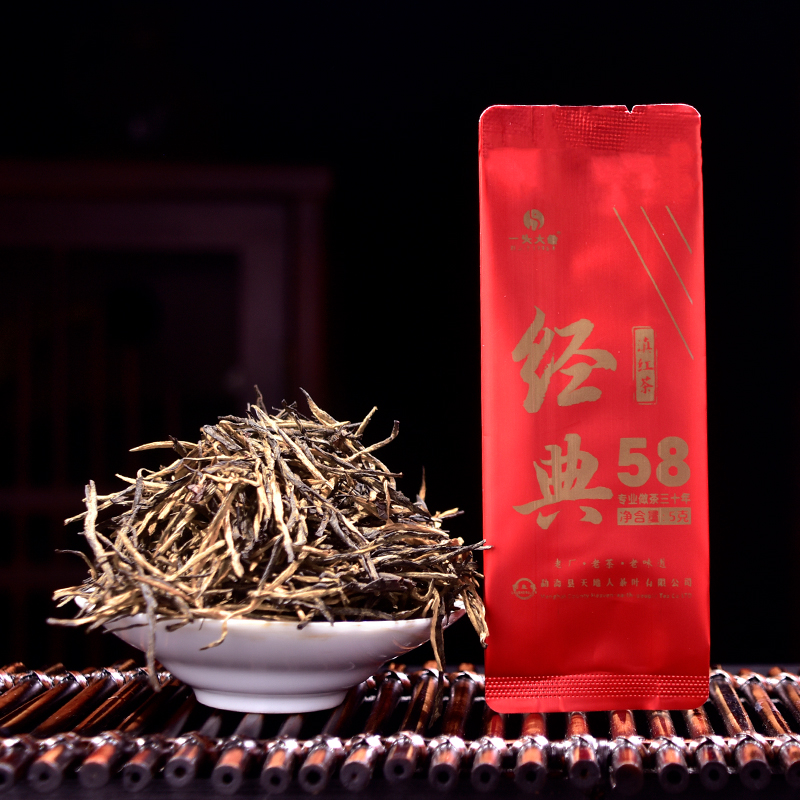
The amount of tea leaves and steeping time are the core factors determining the strength of a cup of black tea. A general household tea-to-water ratio is approximately 1:50 (3 grams of tea for 150 milliliters of water). The first infusion can be quickly rinsed off (though some prefer drinking the first brew, depending on personal preference). The main infusion should be steeped for 10–15 seconds, with each subsequent infusion increasing by a few seconds. Black tea must avoid oversteeping—the longer the leaves remain in the water, the more tannins are released, resulting in a darker color but a涩口 and bitter taste. Controlling the steeping time is more skillful than simply adding more tea.
Storage is often overlooked by many. Black tea, being fully fermented, can be stored, but it differs from raw Pu'er tea in that "the older it gets, the more fragrant it becomes." Fresh tea boasts the highest aroma, making delicate varieties like Jin Jun Mei and premium Yunnan black tea ideal for drinking while fresh. Ordinary Gongfu black tea maintains stable flavor within one to two years; with proper storage, its aroma may slightly mellow and the taste become smoother, but prolonged aging will lead to decline.
In the end, it's about brewing, storing, and savoring black tea properly.
|
|

 English
 简体中文
简体中文

 Post time