|
|
Frequent drinkers of Pu'er tea are well aware that it is not renowned for its fragrance but for its flavor. Additionally, the lingering aroma at the bottom of the cup is influenced by factors such as tea ware (the material and shape of the cup) and water. Different tea wares, due to their structural variations, yield distinct tea infusions, aromas, and sensory indicators during the brewing process.
Finally, tea is a matter of personal taste—what is considered exquisite varies from one palate to another. Whether a tea is good or not, its true character reveals itself upon tasting. In general, teas from different mountain ranges boast distinct aromas and unique flavors. For instance, the subtle fragrance of Lao Ban Zhang tea includes plum-like notes when dry, yet its brewed leaves emit a more subdued aroma.
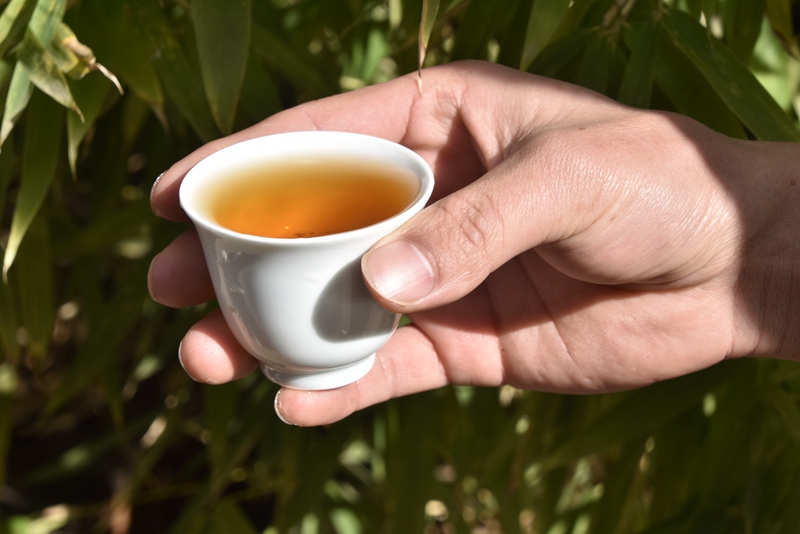
The blended tea from large manufacturers, while combining the aroma, taste, and other characteristics of teas from different mountain regions, has a fleeting fragrance, thus typically not leaving a residue on the cup.
Therefore, "tea cup residue" can serve as one criterion for judging the quality of tea leaves. However, solely pursuing the "tea cup residue" of Pu'er tea will inevitably lead to missing out on truly fine tea.
After all, "tears" are formed due to the rich essence and thick, mellow tea liquor of Pu'er tea, similar to how wine forms tears, but some fine teas do not exhibit this phenomenon.
|
|

 English
 简体中文

 Post time