|
|
In the world of Pu'er tea, raw Pu'er captivates numerous tea enthusiasts with its unique charm, and its remarkable quality that improves with time is particularly enchanting. So, what exactly causes this magical phenomenon?
Ripening
Shengpu tea possesses immense aging potential. Over time, the chemical components such as tea polyphenols and catechins within the leaves intertwine and transform, orchestrating a complex and fascinating chemical reaction. As the years pass, the tea gradually develops a distinctive aged aroma, with its flavor becoming increasingly mellow. This aging process allows the tea's taste to evolve from its initial astringency into a richer profile, while the tea liquor transitions from a somewhat thin texture to a smooth and harmonious one.
Oxidation
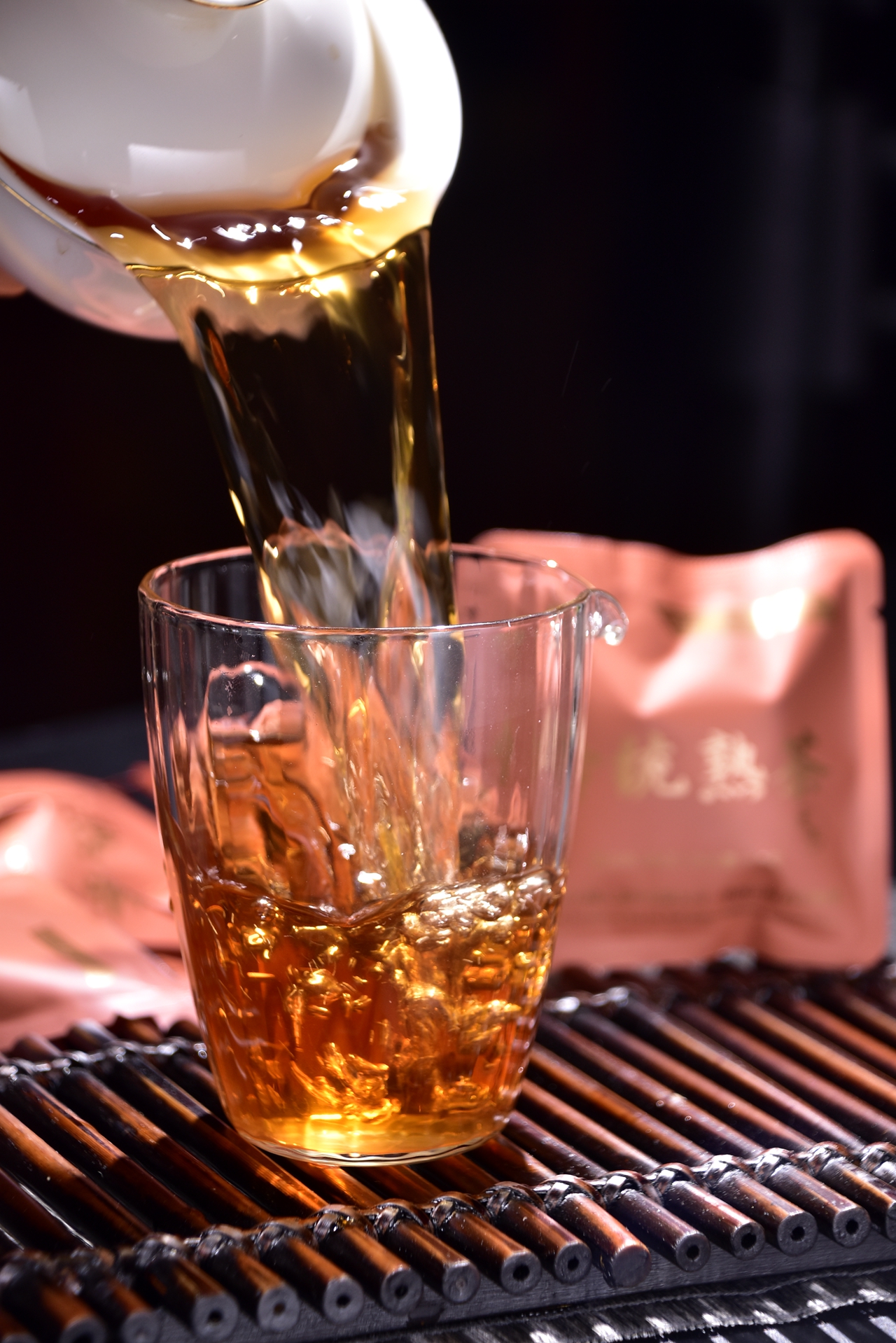
As the storage time increases, oxidation quietly occurs within the raw Pu'er tea. The organic compounds in the tea leaves, like long-lost friends reuniting, warmly embrace oxygen and subsequently generate a series of new chemical substances. These new compounds are akin to infusing the tea leaves with a fresh soul, enriching the layers of flavor and gradually deepening the color of the tea liquor—from its initial golden transparency to a profound and captivating amber hue.
Microbial action
In the microcosm of tea leaves, microorganisms continuously evolve in species and quantity over time, playing a pivotal role in the aging process and flavor enhancement of tea. They diligently work within the leaves, breaking down and transforming various substances, thereby producing richer and more diverse flavors.
Water evaporation
As time slowly passed, the moisture in the tea leaves gradually evaporated like a quietly departing traveler. The tea leaves became drier, yet in this process, their flavor grew further refined and concentrated. The taste became richer and more mellow, with each sip evoking the lingering aroma that filled the mouth, leaving an indescribable aftertaste.
In summary, the flavor of raw Pu'er tea improves with time, resulting from a combination of factors such as aging, oxidation, deodorization, microbial activity, and moisture evaporation. These remarkable transformations make raw Pu'er tea an artwork of time.
|
|

 English
 简体中文

 Post time