|
|
"Better with age" comes with its prerequisites. If these conditions are not met, time will not help at all.
Storing tea is about transformation—the living substances within the leaves gradually reorganize over time, as bitterness fades, the brew thickens, and aged aromas emerge.
Tea that can be transformed has time to be put to good use; tea with nothing to transform just counts days. A material devoid of substance, stored for thirty years, yields not aged tea but merely thirty-year-old ordinary material.
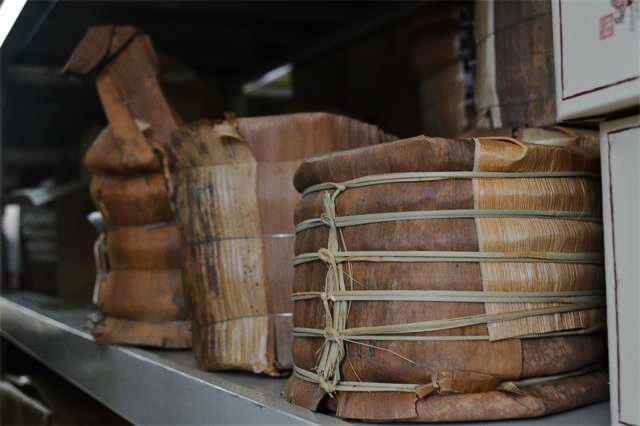
How to determine whether the tea in hand is worth keeping?
A tea that tastes terrible now won't magically improve with time. Time never turns "bad" into "good"—it only enhances "good" into "more refined." The old tea connoisseur's phrase when buying new tea—"No new tea tastes good, why store it?"—is blunt but entirely valid at every step.
Some new teas taste "bitter" because of their strong astringency—this bitterness often indicates high quality and rich content, as it can be softened over time, representing potential. The key distinction lies between two types of unpleasantness: "bitterness that lingers but carries depth," and "flatness with off-flavors." The former can age well, while the latter should not.
For most tea drinkers, the greatest value of "aging" is not appreciation but an added experience. Drinking the same tea once fresh and then again after three years of aging—watching firsthand how time transforms it—this is the unique joy of Pu'er tea, far surpassing the notion of "appreciation.".
Not all Pu'er teas are worth buying. The premise for worthiness of storage is worthiness of drinking.
|
|

 English
 简体中文

 Post time