|
|
Someone once asked a question: If Pu'er tea is so great, why did it become famous later than green tea and oolong tea?
If you know that Pu'er tea in the past was not considered a premium tea, just like the terrace tea we disdain today, you naturally understand why Pu'er tea wasn't popular before.
When comparing the freshness of tea, Pu'er tea falls short of green tea; when comparing the aroma, Pu'er tea lags behind oolong tea; when comparing the sweetness, Pu'er tea is inferior to black tea.
So how did Pu'er tea become so popular later? Was it solely because it was once a tribute tea?
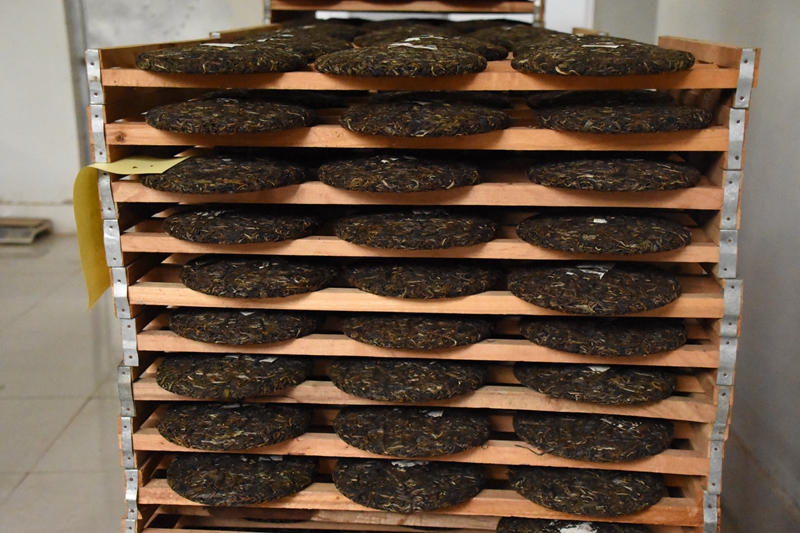
The world's recognition of Pu'er tea's excellence is primarily reflected in its unique charm of becoming more fragrant with age. This characteristic sets it apart from other teas, as many prefer freshness and fear aging, while Pu'er tea embraces aging. Aging strips away the youthful impulsiveness and recklessness of new tea, transforming it into a gentle, broad-minded, and benevolent elder, smiling softly with warmth. As the saying "store new tea, drink old tea" became widely known, Pu'er tea gradually gained deep-rooted popularity.
The year 2000 marked a turning point for the entire Pu'er tea industry. With the booming economic environment, more and more people achieved prosperity, and those with surplus funds began pursuing higher-level needs. At this juncture, the sweet triumph of Laobanzhang tea served as the key to their hearts, striking them deeply with a single "snap.".
The unique "time-baked flavor" of aged Pu'er tea, with its subtle aged aroma, can transport you across time and space back to the past, stirring deep emotions. Although this journey involved not only several large-scale marketing campaigns but also hype from Taiwanese and Hong Kong merchants, it all rests on the superior quality of Pu'er tea. If it were still as unpalatable as before, it would have long faded away and never become the final destination for tea connoisseurs.
Thus, the popularity of Pu'er tea in recent years is both a historical coincidence and inevitability.
|
|

 English
 简体中文

 Post time