|
|
The endurance of Pu'er tea cannot simply be understood as "how many infusions it can withstand." More accurately, it refers to the tea leaves' ability to consistently and stably release their internal substances through multiple infusions. Yunnan's large-leaf sun-dried tea has a relatively high water-soluble extract content, often exceeding 38%, which forms the foundation for Pu'er tea's overall superior endurance compared to many small and medium-leaf tea varieties.
Generally, raw tea tends to be more resistant to multiple infusions than ripe tea, as it retains more original internal compounds. Ripe tea, after undergoing pile fermentation, has some substances transformed, resulting in a different release rhythm. However, high-quality ripe tea can also be highly resistant to multiple infusions, especially when it comes from ancient trees, has moderate fermentation, and proper storage.
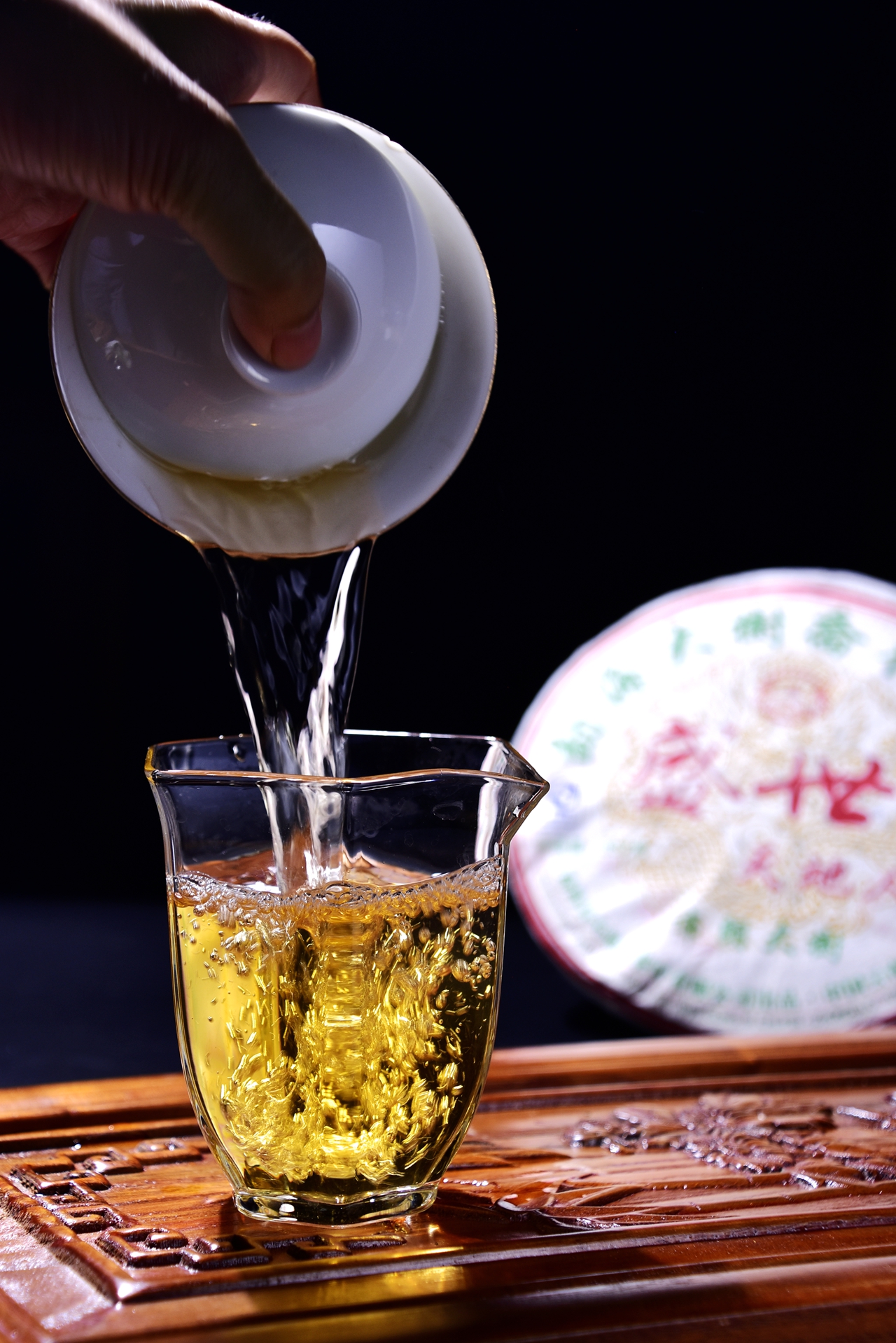
High steeping resistance necessarily means the tea is good?
Not necessarily. High steeping resistance usually indicates abundant internal substances and stable release, but good tea also depends on aroma, taste, mouthfeel, aftertaste, harmony, and the quality of the final infusion. If a tea can be steeped many times but leaves only a watery taste, with hollow aroma and bland flavor, it cannot be considered truly resistant to steeping.
A more practical method is: under the premise that the amount of tea, water temperature, utensils, and pouring rhythm are roughly consistent, observe from which infusion the tea taste noticeably declines, as well as whether the final brew remains clean, sweet, and with a lingering finish. This approach is more meaningful than simply counting the number of infusions.
|
|

 English
 简体中文

 Post time