|
|
Pu'er tea, as a unique presence in Chinese tea, has attracted much attention for its ability to be stored for a long time and its quality improves with age.
In the world of tea, most teas emphasize fresh consumption, but Pu erh tea stands out with its potential for long-term storage.
The production process of Pu'er tea is an important foundation for its long-term storage. The traditional process of making Pu'er tea includes steps such as withering, rolling, and sun drying, among which the key step is pile fermentation (for ripe tea) or natural aging (for raw tea).
Mature tea undergoes pile fermentation, in which microorganisms participate, causing a series of changes in the chemical composition of the tea leaves. The action of these microorganisms helps to decompose the large molecular substances in tea, making it easier to transform and store.
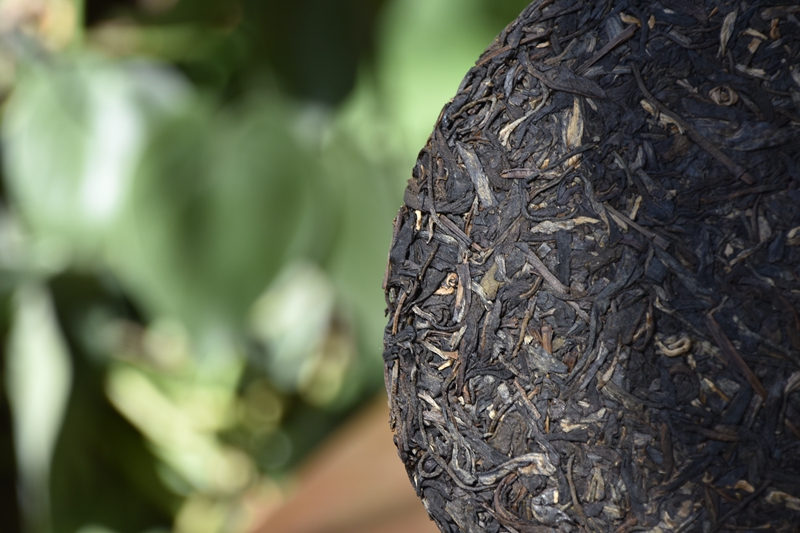
Raw tea relies on natural aging, and over time, the chemical composition inside the tea gradually undergoes subtle changes, forming a unique flavor and quality.
Pu'er tea is rich in various chemical components, such as tea polyphenols, caffeine, tea pigments, amino acids, etc. During long-term storage, these components interact with each other and undergo reactions such as oxidation, polymerization, and degradation.
As time goes by, Pu'er tea seems to have gone through a wonderful journey. From the greenness of new tea to the richness of aged tea, each stage exhibits different characteristics.
Pu erh tea stored for a long time gradually darkens in color, with a richer and more complex aroma, and a smoother and sweeter taste, bringing unique enjoyment to tea drinkers.
|
|

 English
 简体中文
简体中文

 Post time