|
|
The soil structure of Yunnan's tea mountains varies greatly, which is the key password for creating flavor differentiation. Some mountain peaks are loose and breathable red soil with abundant mineral content; Some are black soil with thick humus and abundant organic matter; Some are mixed with sand, gravel, shale, and have excellent breathability.
The roots of tea trees are deeply rooted in the soil layer, and the roots of century old trees can reach several meters underground, deeply absorbing minerals and trace elements from the soil. Tea leaves nurtured by humus soil have a dense, soft, and sticky tea soup with higher sweetness; Tea trees nourished by sand, gravel, and soil have strong and refreshing tea bones, and a rapid return of sweetness; Different pH levels of soil can also fine tune the bitterness ratio and aroma type of tea leaves, making the texture of each mountain's tea soup unique.
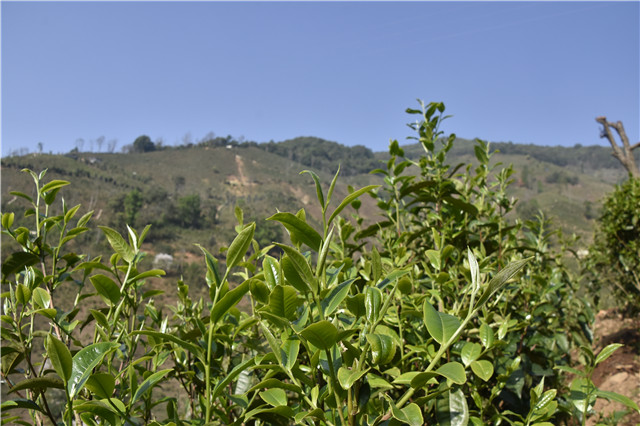
Even if there are two adjacent tea mountains, due to different mountain orientations and degrees of obstruction, the duration of sunlight, rainfall, humidity, and wind force are also vastly different. The sunny hill has sufficient sunlight, and the tea leaves are rich in aromatic substances, with a high and rich aroma; The shady tea mountains are foggy and humid, with lower bitterness in the tea leaves and more delicate and warm soup.
The subtle to extreme differences in microclimate on mountain tops, accumulated over time, have created a thousand mountains and thousands of noodles with Pu'er flavor.
|
|

 English
 简体中文
简体中文

 Post time