|
|
The wild tea trees have deep roots that can absorb various minerals from the soil. Moreover, the surrounding growth of weeds, wildflowers, and rich humus further infuses the tea trees with these scents. When the leaves are processed into finished tea, the resulting brew carries a distinctive flavor profile. This includes floral notes, honey sweetness, and herbal undertones, occasionally accompanied by a hint of cool, forest-like freshness. This taste is not merely a simple honey sweetness but one infused with a sense of "wilderness." Imagine a tranquil mountain forest where diverse plants intertwine, and the tea trees absorb the essence of nature in such an environment—naturally, the resulting tea brew is uniquely exceptional.
The aroma of genuine wild black tea is neither overpowering nor harsh, but rather delicate and lingering. If a so-called "wild black tea" boasts an intense, sweet fragrance, it is often achieved through processing techniques rather than the tea leaves' natural aroma. The scent of wild black tea is like a gentle breeze from the mountains, slowly unfolding to leave an indelible impression.
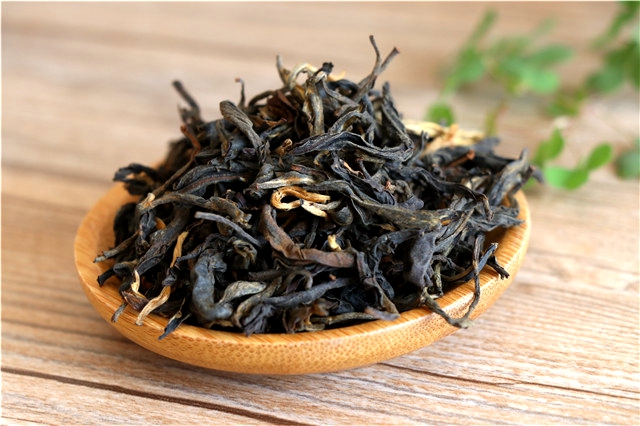
When savoring tea, we can close our eyes and delicately feel the faint, serene fragrance, as if immersed in the wild tea-growing mountains, experiencing nature's tranquility and beauty. At the same time, this also reminds us to assess the quality of wild black tea by its aroma, selecting leaves that truly embody the natural essence of the wild.
Wild black tea, with its unique growing environment, flavor, and production techniques, has become a shining star in the world of tea. It carries the mystery and charm of nature, allowing tea enthusiasts to experience the beauty of "mountain wilderness.".
|
|

 English
 简体中文
简体中文

 Post time 2026-8-27 11:16:20