|
|
Raw Pu is simpler to make than ripe Pu, and has more of the original characteristics of tea, retaining the activity of the tea leaves themselves and providing greater conversion space.
In terms of raw material selection, ripe tea tends to choose low-end raw materials as the base tea for fermentation. Using high-end raw materials as fermented ripe tea is a luxury issue. If fermentation problems occur, all efforts will be wasted. A good transformation must have good raw materials and processing technology. Poor tea quality makes it impossible to achieve good results. This is why some teas have been stored for more than ten years but still cannot remove their astringency and taste.
The storage process of raw materials is more controllable, while that of mature materials is more complex. A suitable storage environment, controlled temperature and humidity, isolated odors, and maintained proper ventilation are the only ways to store good tea!
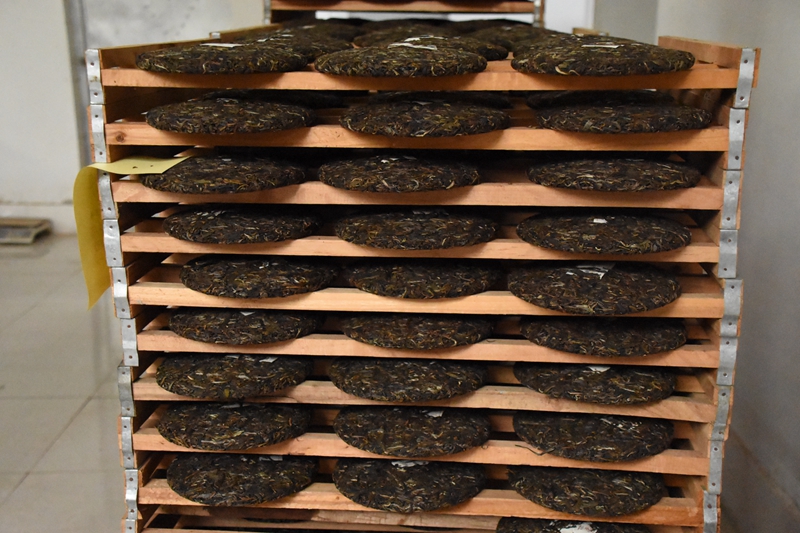
In terms of taste and texture, raw tea has a more diverse range of flavors. After storage, the bitter taste of raw tea fades away, approaching a natural and mild tea nature, but without losing the tea aroma, fragrance, and obvious aftertaste that should be present in raw tea. Overall, raw tea has a richer and more diverse taste profile.
After storage, ripe Pu can remove the accumulated flavor, and the soup has a sweet, smooth, and mellow taste. The overall trend of change is not significant; In summary, for the same storage, the conversion space of ripe tea is not as large as that of raw tea; The richness of taste is not as good as that of raw tea.
For long-term collection, it is recommended to choose raw Pu. For short-term consumption, it is recommended to store both raw and cooked Pu. Newly made raw and cooked Pu will have a richer taste and be more suitable for drinking after being stored for a period of time.
|
|

 English
 简体中文
简体中文

 Post time 2026-8-24 10:22:15