|
|
The fundamental difference between Pu'er tea and other types of tea lies in its post fermentation properties. Whether it is the long-term natural aging of raw tea or the artificial rapid fermentation of ripe tea, their essence is a series of complex biochemical transformations of tea contents under the action of microorganisms and humidity. This is the "body" of Pu'er tea, which is the scientific basis for defining its value.
However, many so-called 'ancient tree raw teas' on the market excessively blend the techniques of green tea, yellow tea, and oolong tea during the processing. Although this has improved the palatability of new tea in the short term, it seriously weakens its post fermentation potential as the core of Pu'er tea. When a piece of tea loses its ability to transform and sublimate in the future, it is essentially just a "sun dried green tea" made from large leaf seeds, rather than strictly Pu erh tea.
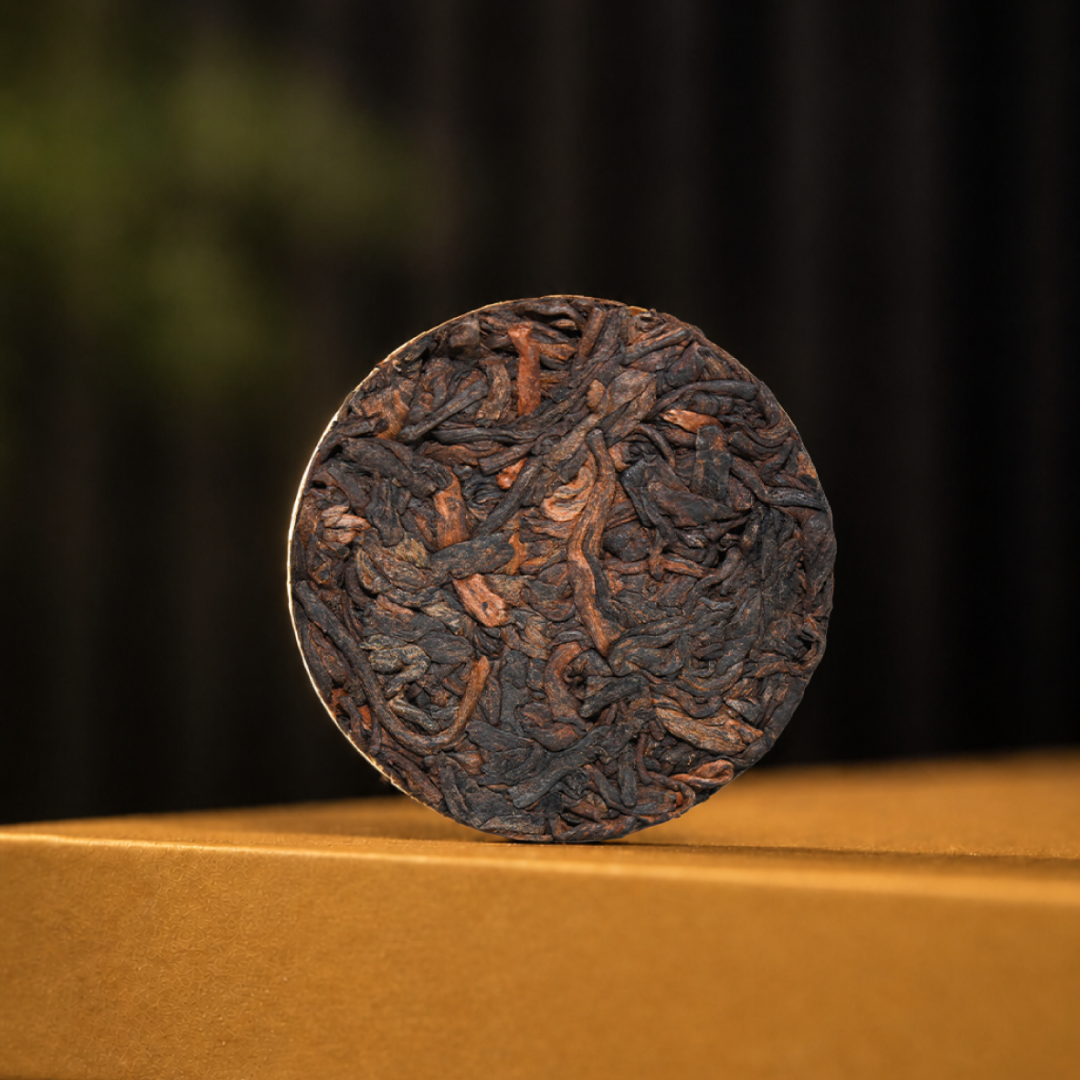
In contrast, ripe tea is a perfect interpretation of the scientific attribute of "post fermentation". By artificially simulating the microbial fermentation environment, ripe tea has completed the material transformation that takes decades for raw tea to complete in a short period of time, forming its unique color, aroma, and taste. It solves the pain points of long-term storage and capital occupation for raw tea, and is the ultimate form of "post fermented tea" that is closer to modern consumer demand.
|
|

 English
 简体中文
简体中文

 Post time 2026-8-21 16:00:04