|
|
1. It must be aged in a dry warehouse. A dry warehouse prevents mold growth and allows for slower transformation, but preserves the true nature of Pu'er tea. A dry warehouse refers to the post-fermentation storage of tea leaves in an environment with moderate humidity and temperature, ensuring proper ventilation. A wet warehouse, on the other hand, involves tea merchants placing tea leaves in poorly ventilated, high-humidity environments to accelerate aging, then selling them as aged tea at high prices to maximize profits.
2. The temperature should not change abruptly. If the indoor temperature is too high or the temperature difference fluctuates too suddenly, it will affect the liveliness of the tea's taste. Moreover, excessively high indoor temperatures can create a stuffy, humid environment, which may transform the original raw tea into ripe Pu'er tea.
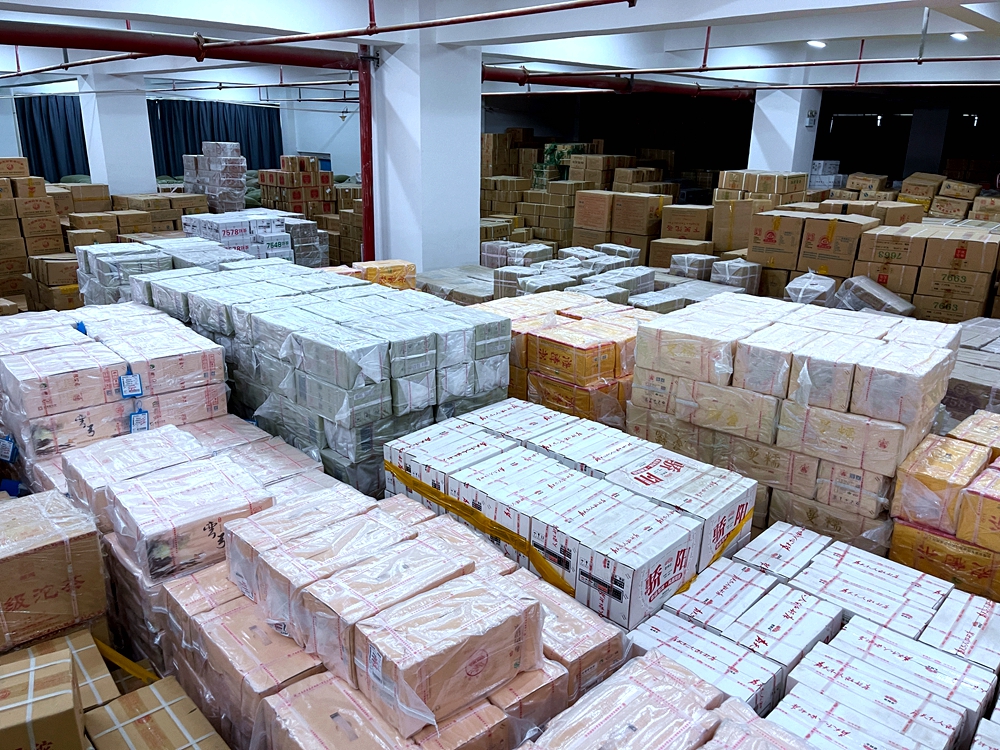
3. Avoid contamination by foreign odors. Tea leaves are highly absorbent of impurities and odors. Sprinkling a handful of dry tea leaves can help absorb and purify the air, so it is essential to maintain a clean and odor-free storage environment.
4. Avoid exposure to sunlight and wind. Under sunlight, phenolic compounds and chlorophyll oxidize more easily, causing the tea leaves to discolor and spoil. Elevated temperatures also accelerate fermentation, leading to souring. In terms of air circulation, oxygen-rich airflow promotes microbial growth in tea leaves, thereby hastening their deterioration. However, avoid hanging tea near drafty areas, as this can dissipate the tea aroma and flavor, resulting in a bland taste when consumed.
5. The temperature should not be too high nor too dry. Excessive humidity can easily cause tea leaves to spoil or mold, while overly dry conditions will slow down the transformation of the tea leaves.
|
|

 English
 简体中文
简体中文

 Post time 2026-7-27 09:44:28