|
|
The black tea from Yunnan is primarily sourced from the large-leaf variety, which has a more substantial flesh compared to the small-leaf variety.
The three major tea varieties in Yunnan are Menghai, Mengku, and Fengqing, collectively known as Dianhong.
The term "Dianhong" began to be used in 1973, when the country was in a period of war. Tea factories and tea makers from Anhui, Zhejiang, Jiangsu, and other regions started moving to Yunnan to escape the conflict.
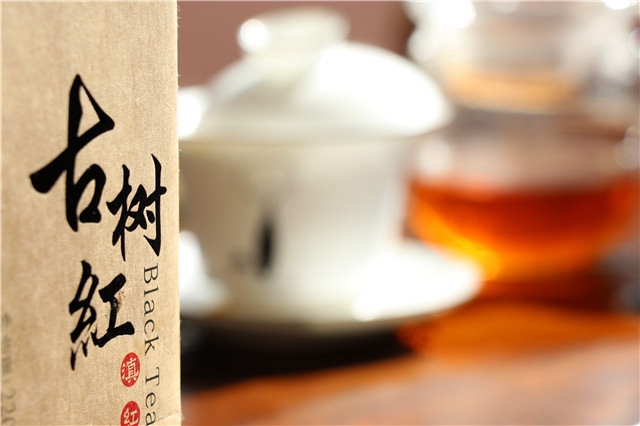
Feng Shaoqiu, the inventor of Dianhong, was in Jiangxi at the time. He traveled from Hanzhong to the Xiaguan Tea Factory in Dali, Yunnan. Having previously worked as a technician at the Qimen Black Tea Factory, he possessed experience in black tea production. By chance, he discovered that a batch of tea leaves contained the components of black tea. Upon investigation, he learned that these leaves were transported from Fengqing. He then tracked down the trial production of black tea in Fengqing (where the local tea benefits from thick leaves, abundant sunlight, and early harvesting). Subsequently, he manually crafted the first simple batch of black tea. At that time, Yunnan had Dianlü (Dianhong's green tea counterpart) and Shaqing (the raw material for raw Pu'er tea).
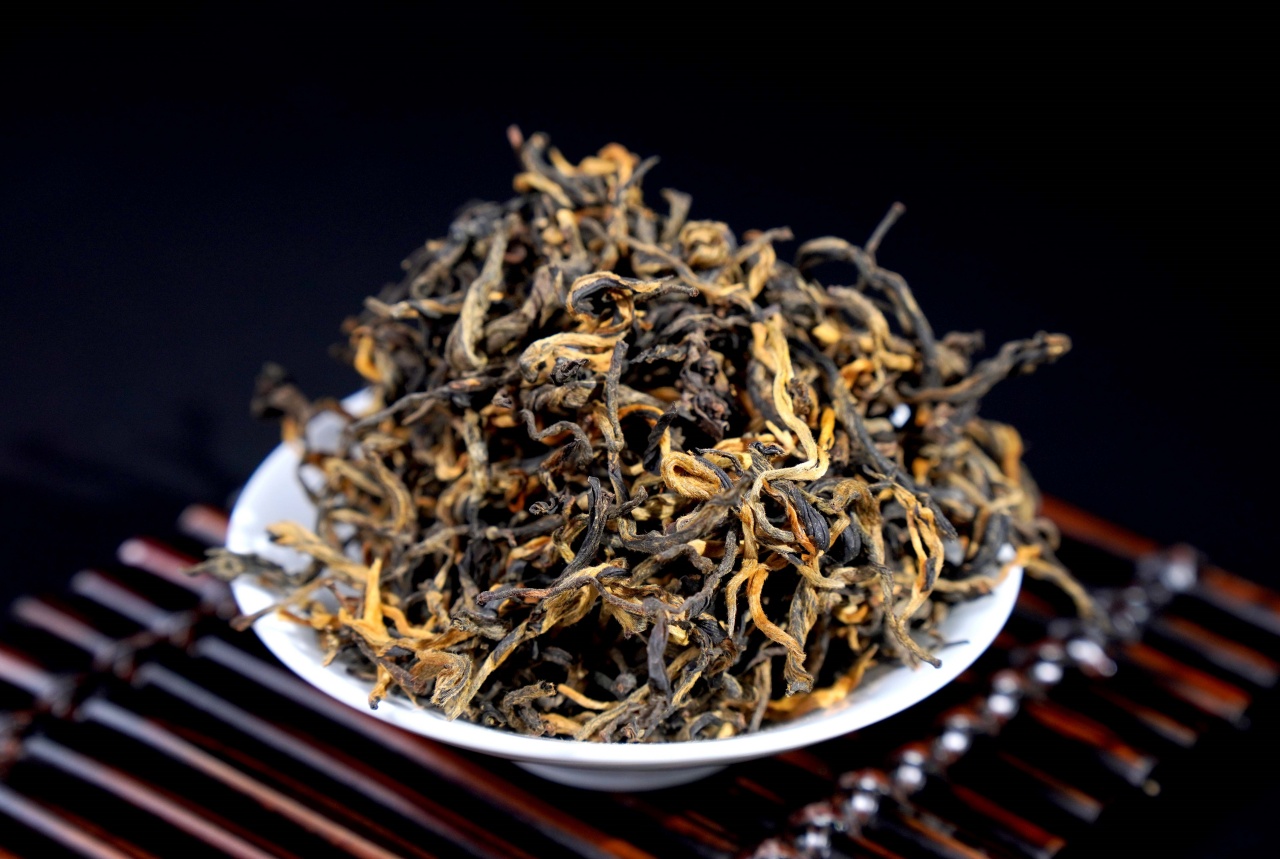
It was not until 1939 that black tea was officially produced, with 500 piculs manufactured at the time. It was initially called "Yun Tea" before being renamed "Dianhong." The produced Dianhong was transported by water to Hong Kong, then repackaged in aluminum boxes and wooden jars before being shipped to Europe.
In 1939–1940, Li Haisheng introduced this technology to the Menghai Tea Factory and began producing Yunnan black tea. Thus, in 1939, the first recorded production of "Dian Hong" black tea emerged in Yunnan.
|
|

 English
 简体中文
简体中文

 Post time 2026-6-17 10:14:04