|
|
Many tea enthusiasts keep a few cakes of ripe tea at home. Some teas become smoother, with more mellow and comfortable brews, as they age over the years.
However, some teas, even after being stored for a long time, show no significant changes and may even lose their appeal over time.
Actually, not all ripe tea is worth collecting.
For a ripe tea to have potential in later stages, it must first have a solid foundation. The raw materials cannot be too poor, and the internal substances must be sufficient. If the tea leaves themselves are hollow, thin, or impure, no amount of aging will turn them into a quality tea.
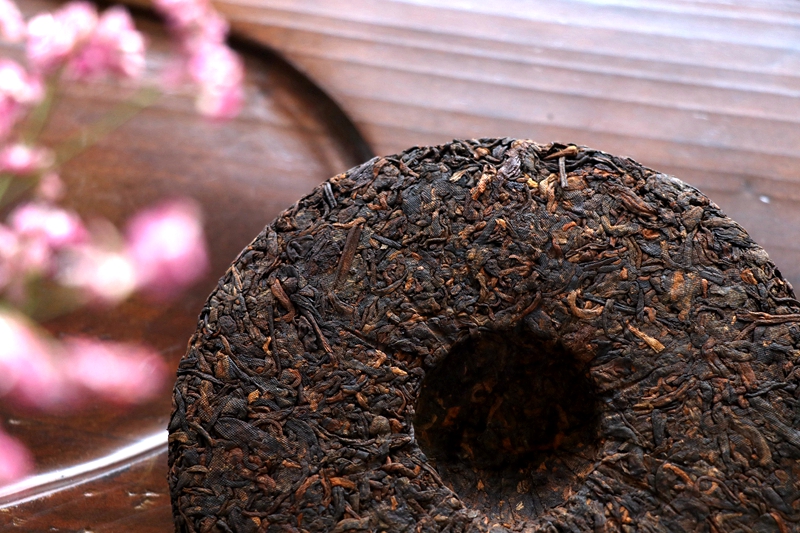
Secondly, fermentation must be stable. Ripe tea is most vulnerable to both over-fermentation and under-fermentation. If the fermentation is too light, the pile flavor lingers and the taste feels harsh; if it's too heavy, the internal components of the tea leaves are overly depleted, leaving little room for further development in later stages.
Freshly made ripe tea doesn't necessarily have to be exceptionally impressive, but it should at least be clean, smooth, and sweet. It shouldn't be overly burdened with flavors, have a strong astringent taste, or feel thin in texture.
Storing ripe tea is not as simple as buying it and leaving it. Whether it can be stored depends on whether the tea has a solid foundation.
|
|

 English
 简体中文
简体中文

 Post time 2026-5-20 09:23:54