|
|
Everyone is talking about ripe Pu'er tea—large piles, small piles, heavy fermentation, light fermentation, ancient trees, tall trees. Some say the ripe tea from Beidao is delicious, others claim the ripe tea from Laobanzhang tastes great. So, what exactly makes a ripe Pu'er tea truly good?
In fact, a good ripe Pu'er tea must be at least clean and hygienic, with high purity and free from any sour, strange, or off-flavors, as well as any unpleasant physical sensations when drinking. These are the fundamental qualities of all premium ripe Pu'er teas.
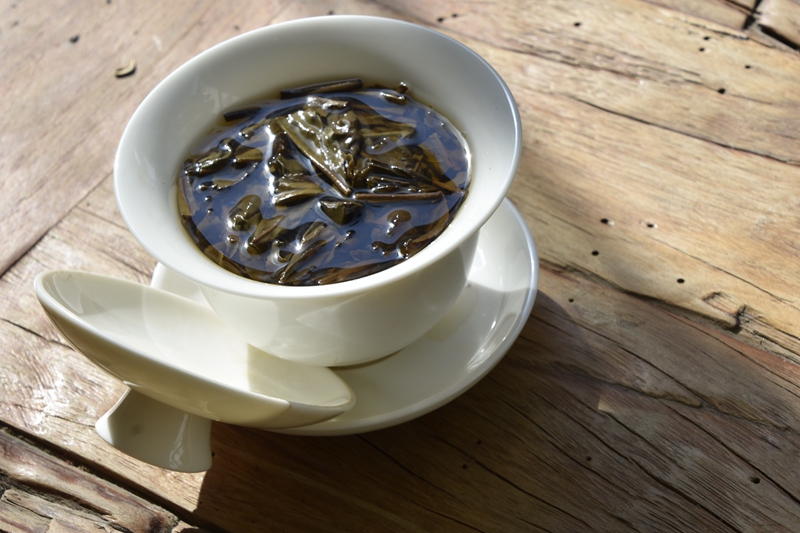
Some people believe that large-scale fermentation yields better flavor, more colonies, and innovative ideas, with wooden frames placed close to the ground for easier handling. Others argue that thorough and heavier fermentation results in a more intense flavor and better taste, while some prefer lighter fermentation, as it produces a sweet and smooth texture, allowing sufficient time and space for later storage.
Of course, there's no right or wrong—this is the merchant's choice, and also the consumer's different taste and flavor preference. What suits you best is the best.
|
|

 English
 简体中文
简体中文

 Post time 2026-5-6 09:33:56