|
|
First and foremost, it must be clarified that there is no nationally standardized quantification for the fermentation degree grading commonly referred to. The terms "six, seven, or eight mature" are merely intuitive and vivid expressions used by the tea industry and fermenters to describe the depth of fermentation in ripe tea. Different fermenters, relying on years of experience, tactile sensitivity, and sensory judgment, may interpret "how mature" differently, which is a common practice within the industry.
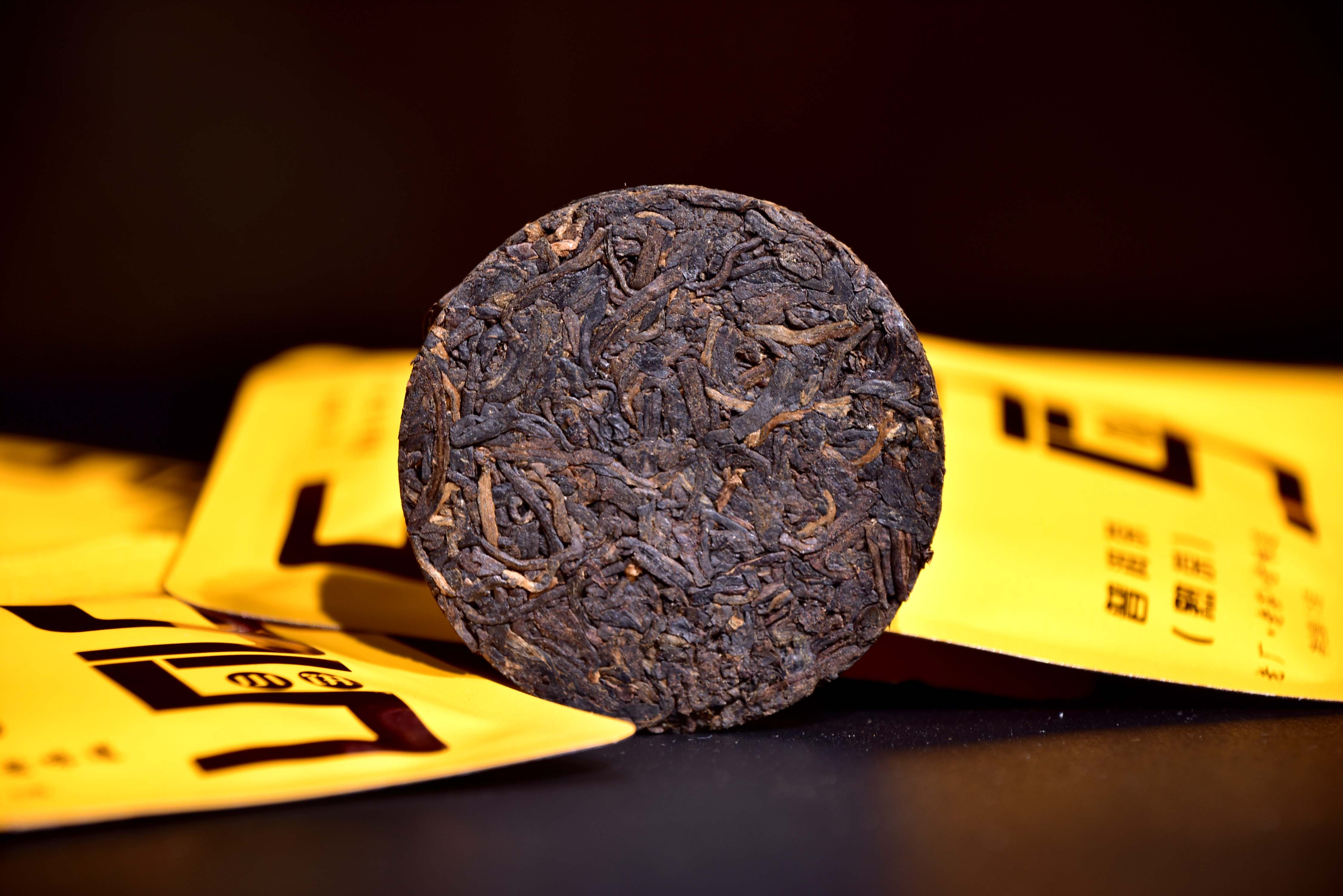
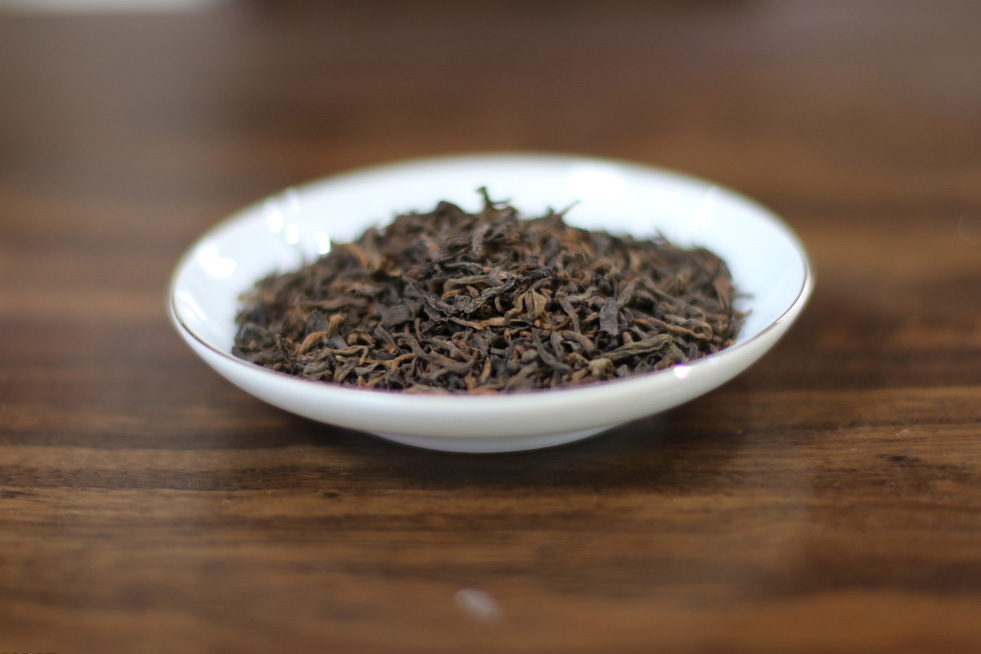
However, this does not mean that ripe tea lacks standards to rely on. The national standard for Pu'er tea has already set the minimum qualification line for ripe tea. Among the core physicochemical indicators, the tea polyphenol content in ripe tea must be ≤15%. From a sensory quality perspective, qualified ripe tea should have a dry tea color of brown-red or brown-black, with a deep, bright red tea liquor, and a mellow, sweet, and smooth taste. These are the most basic requirements for ripe tea to become "ripe material" and the rigid criteria for determining whether a tea product meets the standards of qualified ripe tea.
Secondly, the fermentation maturity of ripe tea is not fixed but possesses flexible adaptability. While meeting the basic quality standards set by national regulations and ensuring the tea leaves' full fermentation, experienced fermenters comprehensively consider various factors: customers' taste preferences, the maturity of the tea leaves, the height and size of the fermentation heap, as well as the temperature and humidity of the fermentation environment. By precisely controlling the frequency of pile-turning and fermentation duration, they craft ripe teas with distinct styles—light, moderate, or heavy fermentation—to meet the diverse drinking preferences of tea enthusiasts.
Moreover, the fermentation of ripe Pu'er tea is a continuous and complete cyclical process, far from being achieved overnight. A mature ripe tea requires multiple rounds of fermentation, each involving different types of microorganisms that play an irreplaceable role in shaping the final aroma, taste, and mouthfeel of the tea leaves.
A high-quality ripe Pu'er tea should possess these characteristics: the dry leaves are brownish-red or dark brown, the tea liquor is deep red and clear, with a pronounced and lingering woody aroma. It tastes mellow, sweet, and smooth, free from noticeable bitterness or astringency. The tea flows smoothly into the throat, providing a warm and nourishing sensation.
|
|

 English
 简体中文
简体中文

 Post time 2026-5-2 14:13:58