|
|
In the deep mountains of southwestern Yunnan, ancient tea trees grow there. The towering peaks and deep valleys are veiled in mist and clouds, with the tea trees absorbing rain and dew, imbued with the essence of the forest. Withering, rolling, and fermentation—each step relies on experience and intuition. This is wild black tea, born from the mountains.
Fengqing's Bazhou presents yet another scene. With ample sunlight and fertile soil, tea bushes stretch their branches and leaves. Around the Qingming Festival, tea pickers swiftly pluck one bud with one leaf. The most precious is the golden needle, harvested only when the bud first opens, its yellow brilliance as if storing a season's springlight. The fermentation is lighter, preserving the aroma of the mountain fields.
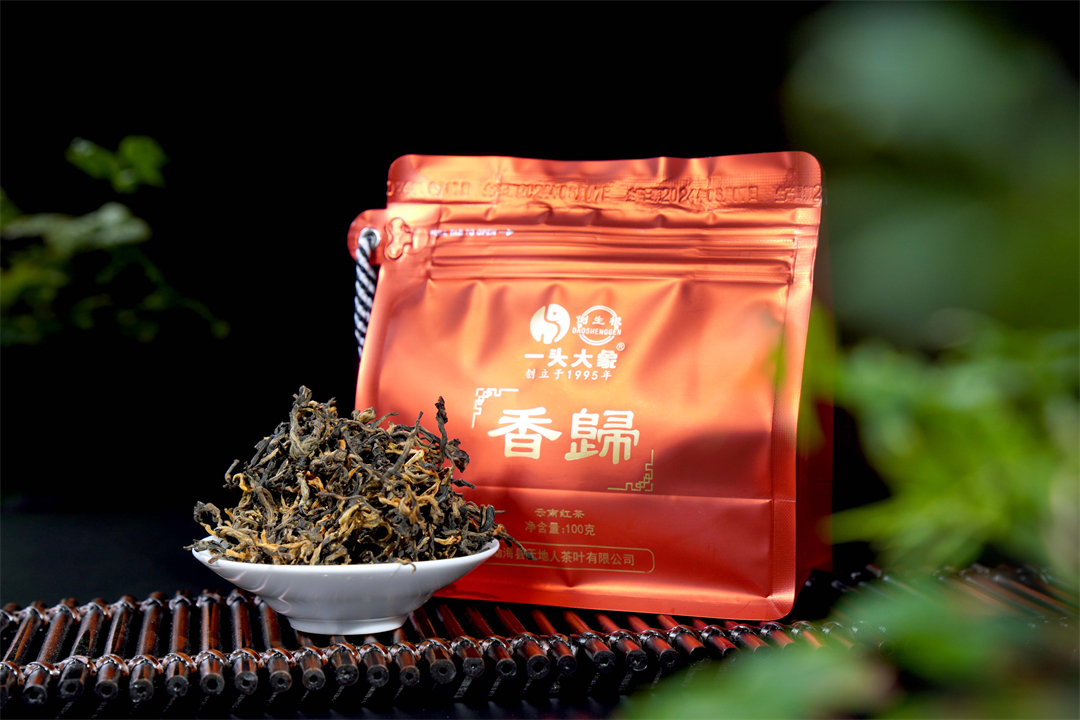
Take a pinch of wild black tea, pour it into a covered bowl, and add boiling water. The tea liquor is golden and bright. Upon tasting, it carries a wild vigor—thick and smooth on the tongue, with a hint of sweetness, rich floral and fruity aromas, and a pleasant throat resonance. After 7-8 infusions, the floral fragrance lingers persistently in the mouth.
The Da Jinzhun tea is smooth and mellow. The infusion is bright orange-yellow, clear enough to see the bottom of the cup. The aroma is long-lasting, with rich notes of honey and sweet potato, and the taste is soft and velvety.
A rugged man like the mountains, strong and robust; a gentle woman like the plateau, charming and delightful. Wild black tea stands up to multiple infusions—after seven or eight steepings, its wild spirit lingers; while Da Jin Zhen fades after six or seven infusions, its lingering aftertaste still lingers on the lips and teeth.
Both teas from Yunnan, one from the mountains and one from the plains—rigid and gentle respectively. The mountains have their own temperament, and the plains their own character. All of it is captured in this cup.
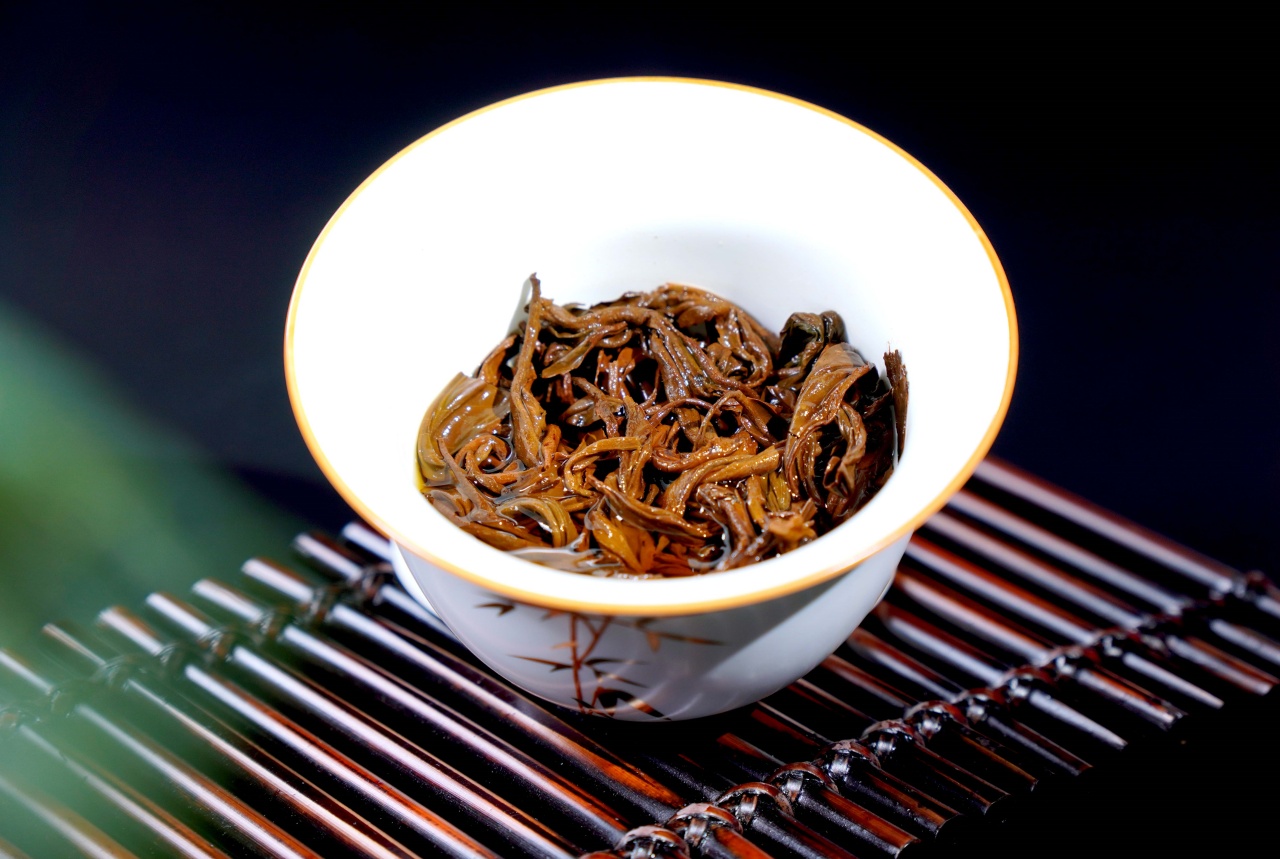
Recommended brewing method:
It is recommended to use water at 85-90°C, as brewing with a gaiwan yields a better taste!
The amount of tea leaves can be adjusted according to personal taste preferences. Generally, it is recommended to use 4~5g per infusion. / It is advised to rinse the tea leaves 0~1 times.
|
|

 English
 简体中文
简体中文

 Post time 2026-3-26 10:40:42